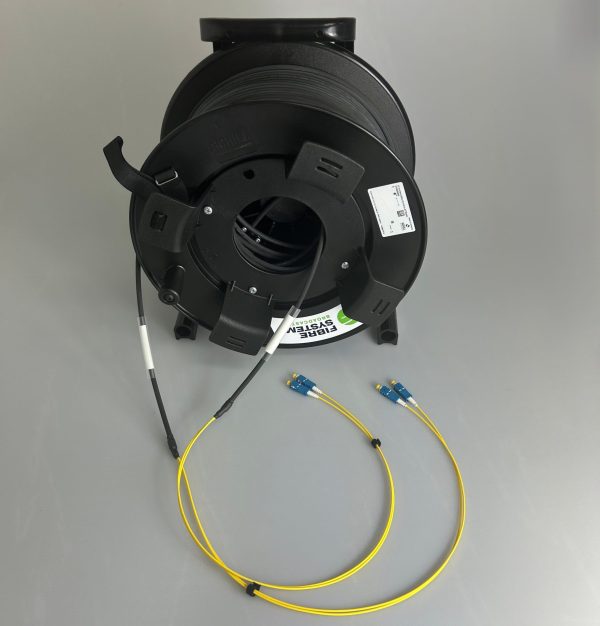
In today?s digitally-driven world, the demand for fast and reliable internet connectivity is at an all-time high. As technology advances, fiber optic connectivity has emerged as a leading solution to meet this demand. Known for its speed and reliability, fiber optics is a vital component in modern telecommunications, offering unparalleled performance compared to traditional copper cables. This article delves into the essentials of fiber optic technology, its advantages, and its role in enhancing connectivity across various sectors.
Understanding Fiber Optic Technology
Fiber optic technology uses light to transmit data at incredibly high speeds over long distances. Unlike traditional copper cables, which use electrical signals, fiber optics rely on thin strands of glass or plastic fibers to carry information. This method of data transmission offers several benefits:
- High Bandwidth: Fiber optics can support significantly more data than copper cables, making it ideal for high-demand applications.
- Speed: With the ability to transmit data at the speed of light, fiber optics provide faster internet connections, enhancing user experiences.
- Reliability: Fiber optic cables are less susceptible to interference and signal degradation, ensuring consistent performance.
- Long Distance Transmission: Fiber optics can carry signals over greater distances without losing quality, making them suitable for long-haul data transmission.
For those interested in the technical depths of fiber optics, explore further insights here.
The Advantages of Fiber Optic Connectivity
Enhanced Internet Experience
One of the most significant advantages of fiber optic connectivity is the enhanced internet experience it provides. Users benefit from:
- Faster Downloads and Uploads: With fiber optics, large files can be transferred in seconds, and video streaming can occur without buffering.
- Improved Video Conferencing: The high speeds and low latency of fiber optics make video calls seamless and glitch-free.
- Reliable Cloud Access: Businesses can access cloud services more efficiently, facilitating better productivity and collaboration.
To delve deeper into how fiber optics can transform internet usage, learn more in this detailed guide.
Applications Across Various Sectors
Fiber optic technology is not just limited to improving internet speeds. It has widespread applications across numerous sectors:
- Healthcare: Enables telemedicine, high-speed data sharing, and advanced medical imaging.
- Education: Supports remote learning platforms with stable and fast internet access.
- Finance: Facilitates secure and rapid transaction processing and data exchange.
- Entertainment: Provides the backbone for streaming services and high-definition media.
For a comprehensive view of fiber optics’ role in various industries, find additional information here.
Future Prospects of Fiber Optic Connectivity
As the demand for high-speed internet continues to grow, fiber optic technology is poised to play an even more critical role in the future of connectivity. Innovations in fiber optics are expected to drive advancements in:
- 5G Networks: Supporting the infrastructure required for the next generation of mobile networks.
- Smart Cities: Enabling the connectivity needed for smart city applications, from monitoring systems to automated services.
- Internet of Things (IoT): Providing the bandwidth and reliability necessary to support the growing number of connected devices.
For those interested in the future landscape of fiber technology, read more about this topic.
In conclusion, fiber optic connectivity is a cornerstone of modern telecommunications, offering unmatched speed and reliability. As technology continues to evolve, the role of fiber optics will only expand, driving further innovations and transforming how we connect with the world.