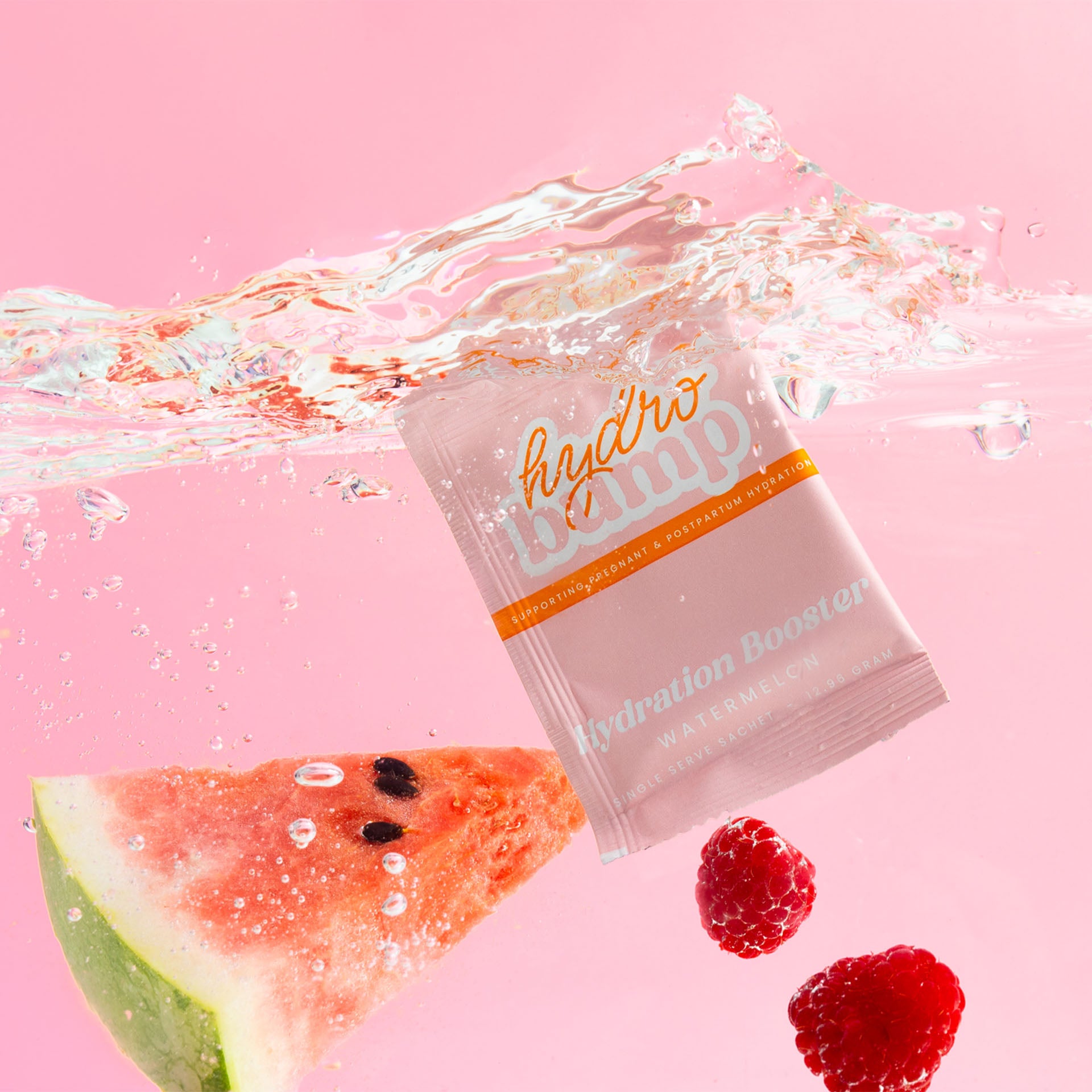
Breastfeeding is a beautiful and rewarding journey, providing essential nutrients and fostering a deep bond between mother and child. However, this period also demands increased attention to hydration. Staying properly hydrated is crucial for both the mother?s health and the optimal production of breast milk. This guide aims to provide comprehensive insights into effective hydration strategies for breastfeeding mothers, ensuring both comfort and health benefits. Understanding the importance of hydration and implementing the right practices can significantly enhance the breastfeeding experience.
Why Hydration is Vital During Breastfeeding
Breastfeeding requires more fluid intake than usual, as breast milk is composed of approximately 90% water. Adequate hydration helps in:
- Maintaining milk supply: Proper hydration ensures sufficient milk production to meet the baby’s needs.
- Promoting maternal health: It assists in recovery post-delivery and sustains energy levels.
- Regulating body temperature: Hydration helps in temperature regulation, a vital aspect of postpartum recovery.
For more detailed insights into why hydration matters, discover expert strategies here.
How Much Water Should a Breastfeeding Mother Drink?
While individual needs may vary, a general guideline suggests:
- Consuming at least 10-12 cups (2.3-2.8 liters) of fluids per day.
- Listening to your body: Drink when thirsty and monitor urine color for hydration status.
- Adjusting intake based on activity level and climate.
For personalized hydration plans, find out more about this approach.
Healthy Hydration Tips
Incorporate a Variety of Fluids
To maintain interest and meet hydration needs, consider integrating different types of fluids such as:
- Water: The best choice for hydration.
- Herbal teas: Opt for lactation-friendly options like fenugreek or fennel tea.
- Fruit-infused water: Adds flavor without extra sugar.
- Broths and soups: Nutritious and hydrating.
Learn about our tailored solutions here.
Monitor Caffeine and Sugar Intake
It’s crucial to be mindful of beverages that may dehydrate:
- Limit caffeine: Excessive caffeine can affect both hydration and the baby?s sleep.
- Avoid sugary drinks: Opt for natural sweetness from fruits instead.
Set Hydration Reminders
Busy schedules can make it easy to forget about hydration. Try these strategies:
- Use apps or alarms to remind you to drink water regularly.
- Keep a water bottle within reach at all times.
Explore advanced guides and tips at this link.
Signs of Dehydration in Breastfeeding Mothers
Recognizing dehydration early can prevent health issues. Watch for:
- Dark yellow urine
- Fatigue or dizziness
- Dry skin or lips
- Headaches
If these symptoms occur, increase fluid intake and consult a healthcare provider for advice. For more information, explore advanced guides and tips.
Conclusion
Prioritizing hydration during breastfeeding is essential for both the mother and the child. By understanding the importance, recognizing the signs of dehydration, and incorporating diverse fluid options, mothers can ensure they are providing the best care for themselves and their babies. For more comprehensive information on maintaining optimal hydration, discover expert strategies here.