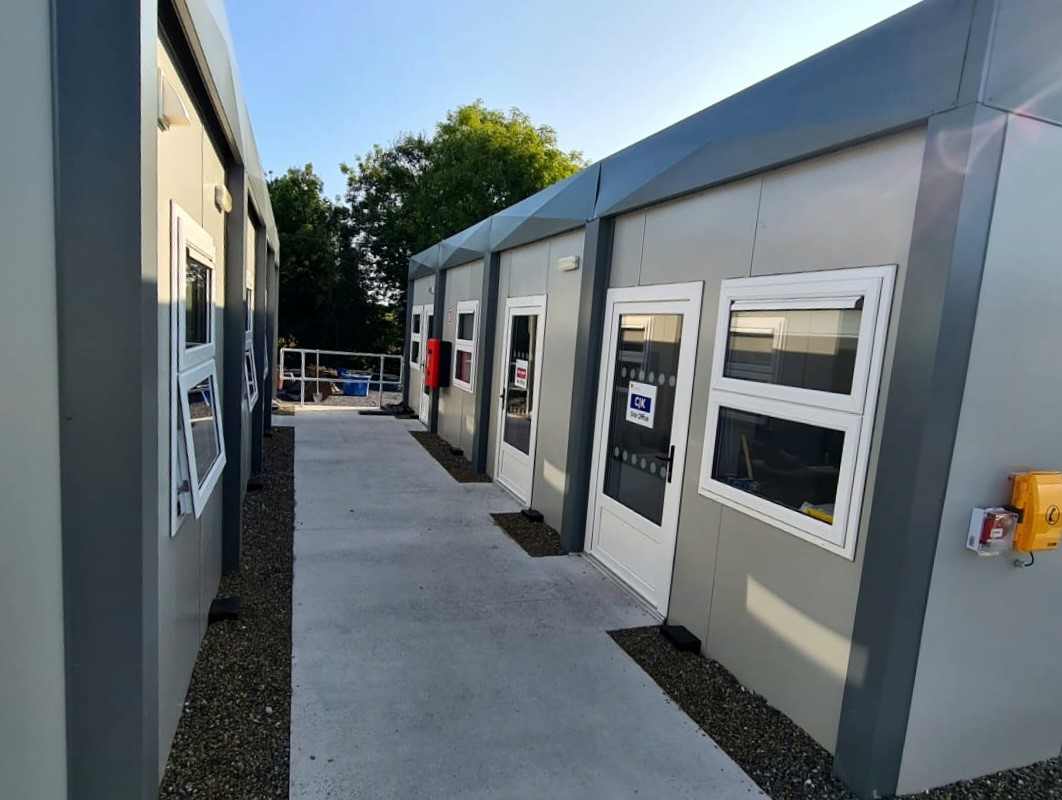
In today’s fast-paced world, flexibility is key. Businesses, schools, event planners, and even homeowners are increasingly turning to temporary buildings to meet their diverse needs. These structures offer a versatile and cost-effective solution for space shortages without the commitment of a permanent build. Whether it’s for storage, additional classroom space, or an event venue, temporary buildings provide a practical answer for those seeking adaptability and efficiency. Their popularity has surged due to their ease of installation, customizable features, and ability to cater to a wide range of requirements.
The Versatility of Temporary Buildings
Temporary buildings are renowned for their adaptability across various industries. They serve as an excellent option for:
- Construction Sites: Ideal for on-site offices, storage, or break areas.
- Educational Institutions: Additional classrooms or labs can be quickly set up to accommodate growing student populations.
- Events and Exhibitions: Perfect for temporary venues, from sports events to trade shows.
- Retail and Commercial Use: Temporary retail spaces or pop-up shops to test new markets.
The ability to customize these buildings ensures they meet specific requirements. Explore advanced guides and tips on choosing the right temporary building for your needs.
Benefits of Temporary Buildings
Opting for temporary buildings comes with a myriad of advantages, including:
- Cost-Efficiency: Typically more affordable than permanent structures due to reduced materials and labor costs.
- Speed of Installation: Can be erected much faster than traditional buildings, minimizing downtime and disruption.
- Flexibility: Easily relocated or expanded as needs change.
- Environmentally Friendly: Often built with sustainable materials and can be reused or recycled.
These benefits make temporary buildings an attractive option for businesses and organizations aiming to optimize their resources. Discover expert strategies here to maximize the potential of your temporary structures.
Design and Customization Options
Temporary buildings are not just about functionality; they can also be tailored to meet aesthetic and branding needs. Customization options include:
- Size and Layout: Tailored to fit the specific spatial requirements of the user.
- Materials: Options ranging from durable metals to eco-friendly composites.
- Interior Features: Including insulation, lighting, and HVAC systems for comfort and usability.
- Exterior Design: Options for branding and aesthetic enhancements.
Learn about our tailored solutions to ensure your temporary building aligns with your operational and aesthetic requirements.
Common Applications of Temporary Buildings
Industrial and Commercial Use
Temporary buildings are a staple in industrial and commercial sectors for warehousing, manufacturing, and office solutions. Their adaptability allows businesses to quickly respond to market demands, providing the space needed for operations without the long-term commitment. Find out more about this approach to see how temporary structures can support business growth.
Emergency and Relief Efforts
In situations requiring immediate response, such as natural disasters, temporary buildings can be rapidly deployed as shelters, medical centers, or command posts. Their quick setup and portability make them invaluable in crisis management.
Conclusion
Temporary buildings offer a flexible, cost-effective, and environmentally friendly solution to space needs across various sectors. Their ability to adapt to different applications makes them an essential component of modern infrastructure, providing instant solutions while maintaining quality and efficiency. For those seeking adaptable space solutions, temporary buildings present an ideal choice. To explore the full potential of temporary structures, explore advanced guides and tips today.