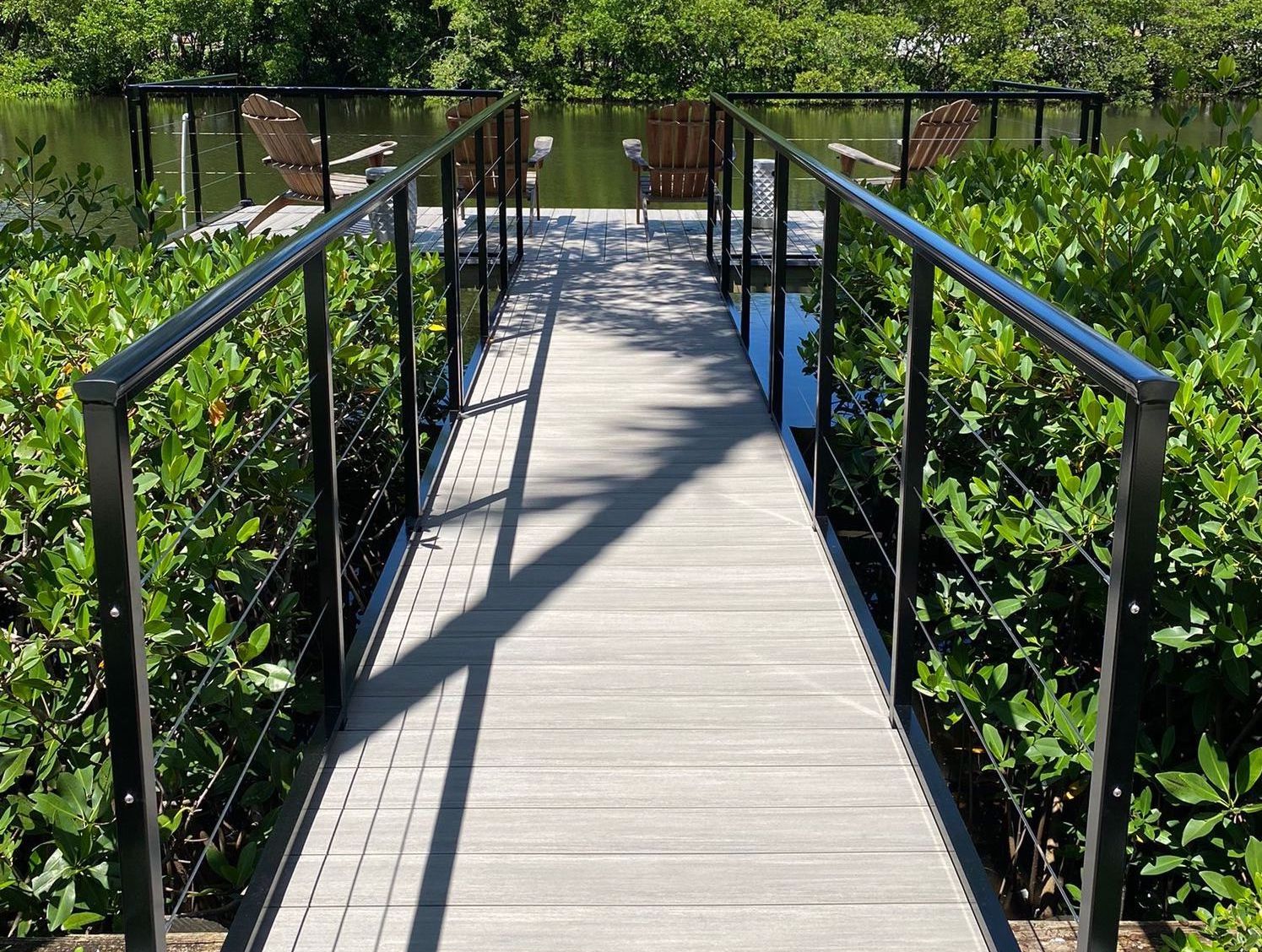
Constructing a residential dock on a waterfront property not only enhances its aesthetic appeal but also elevates its functionality. Whether it’s for personal relaxation, entertaining guests, or mooring a boat, a well-designed dock can significantly boost the property’s value. However, creating a dock involves more than just building a platform; it requires careful planning, consideration of environmental impacts, and adherence to local regulations. This article provides essential tips on maximizing the appeal and utility of residential docks, ensuring they serve both practical and aesthetic purposes effectively.
Understanding Dock Types
The first step in planning a dock is understanding the different types available, each having its advantages and limitations. Consider the following options:
- Floating Docks: Ideal for areas with significant water level fluctuations. They rise and fall with the water, maintaining consistent accessibility.
- Piling Docks: Supported by pilings driven deep into the seabed, these docks are sturdy and often used in areas with strong currents or waves.
- Pipe Docks: Similar to piling docks but with pipes rather than pilings. They are typically more cost-effective and easier to install.
- Cantilever Docks: These docks do not touch the water and are suitable for areas with sensitive marine environments.
For a deeper understanding, explore further insights here: Read more about this topic.
Materials Matter
Selecting the right materials for dock construction is crucial for durability and maintenance. Common materials include:
- Wood: A traditional choice offering natural beauty and versatility. However, it requires regular maintenance to prevent rot and insect damage.
- Composite: Made from wood fibers and plastic, it mimics the appearance of wood but with enhanced resistance to weathering and pests.
- Aluminum: Lightweight and rust-resistant, aluminum docks are easy to install and require minimal maintenance.
- Concrete: Offers exceptional durability and is ideal for permanent, heavy-duty docks.
Find additional information here: Learn more in this detailed guide.
Regulatory Compliance and Environmental Considerations
Before initiating construction, it’s essential to comply with local regulations and consider environmental impacts. Key considerations include:
- Permits: Secure all necessary permits and approvals from local authorities to avoid legal issues.
- Environmental Impact: Assess the impact on local wildlife and ecosystems. Opt for designs that minimize disruption.
- Safety Standards: Ensure the design complies with safety standards, including handrails and non-slip surfaces.
Explore further insights here: Find additional information here.
Design and Aesthetics
Aesthetics play a significant role in a dock’s appeal. Consider the following design elements:
- Lighting: Incorporate lighting for safety and ambiance. Solar-powered options are both eco-friendly and cost-effective.
- Furniture: Select weather-resistant furniture to create inviting spaces for relaxation and entertainment.
- Landscaping: Integrate surrounding landscaping to enhance the dock’s visual appeal and blend it seamlessly into the environment.
To delve deeper into design considerations, explore further insights here.
Maintenance and Longevity
Regular maintenance is vital to ensure the longevity of a residential dock. Key maintenance tasks include:
- Inspection: Conduct regular inspections to identify and address any damage or wear promptly.
- Cleaning: Clean surfaces to remove algae, mold, and debris that may cause decay or create slip hazards.
- Repairs: Perform timely repairs to prevent minor issues from escalating into major problems.
For more on maintaining your dock, learn more in this detailed guide.