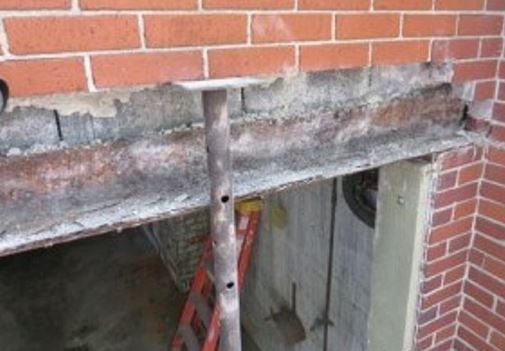
Wall ties play an integral role in maintaining the structural integrity of a building by securing the outer wall to the inner wall. Over time, these ties can corrode or fail, leading to serious structural issues. Replacing wall ties is an essential part of home maintenance that ensures safety and longevity. Understanding the importance of this task, along with the methods and materials involved, can help homeowners make informed decisions about their property”?s upkeep.
Understanding Wall Ties: Purpose and Importance
Wall ties are metal strips that connect the outer masonry to the inner framework. Their primary function is to stabilize walls by transferring loads and preventing separations, which can lead to cracks or, in extreme cases, wall collapse. This makes regular inspection and maintenance of wall ties crucial for any building.
Signs That Wall Tie Replacement is Necessary
Detecting early signs of wall tie failure can save homeowners from costly repairs. Look for these indicators:
- Cracks in the masonry, especially in the mortar joints.
- Bulging or leaning walls, which suggest internal instability.
- Rust stains on the wall surface, indicating corroded ties.
- Gaps between the bricks, pointing to potential separation.
Homeowners noticing such signs should consider consulting a professional to evaluate the need for wall tie replacement. Discover expert strategies here for more information.
The Replacement Process: Step-by-Step Guide
Inspection and Planning
Before beginning replacement, a thorough inspection is essential. Professionals use tools like metal detectors or borescopes to assess the condition of existing ties. Once the scope of work is determined, a detailed plan is developed to minimize disruption and ensure effective replacement.
Choosing the Right Materials
Selecting the appropriate replacement ties is crucial. Modern ties are often made from stainless steel to prevent corrosion. The choice of tie depends on factors such as wall thickness and the specific requirements of the building. Learn about our tailored solutions to ensure the best fit for any structure.
Installation Process
The installation involves carefully removing mortar around the old ties, inserting the new ties, and repointing the masonry. It is critical to maintain the structural integrity of the wall throughout this process. The steps include:
- Drilling pilot holes in the masonry to accommodate the new ties.
- Inserting and securing the new ties into the pilot holes.
- Repointing the mortar to seal the wall and prevent moisture ingress.
For a comprehensive guide to this process, explore advanced guides and tips.
Maintaining Structural Health Post-Replacement
After replacing the wall ties, regular maintenance is key to extending the lifespan of the building’s structure. Homeowners should undertake periodic inspections to ensure that the new ties remain effective and that no new issues have arisen. Routine checks help in catching potential problems early, preventing major repairs. Find out more about this approach to maintaining structural health.
Conclusion
Wall tie replacement is a critical aspect of building maintenance that protects a property”?s structural integrity and safety. By understanding the signs of failure and following a strategic replacement process, homeowners can ensure their buildings remain secure and durable. Professional advice and services are invaluable in this regard, providing peace of mind and safeguarding the home for years to come.