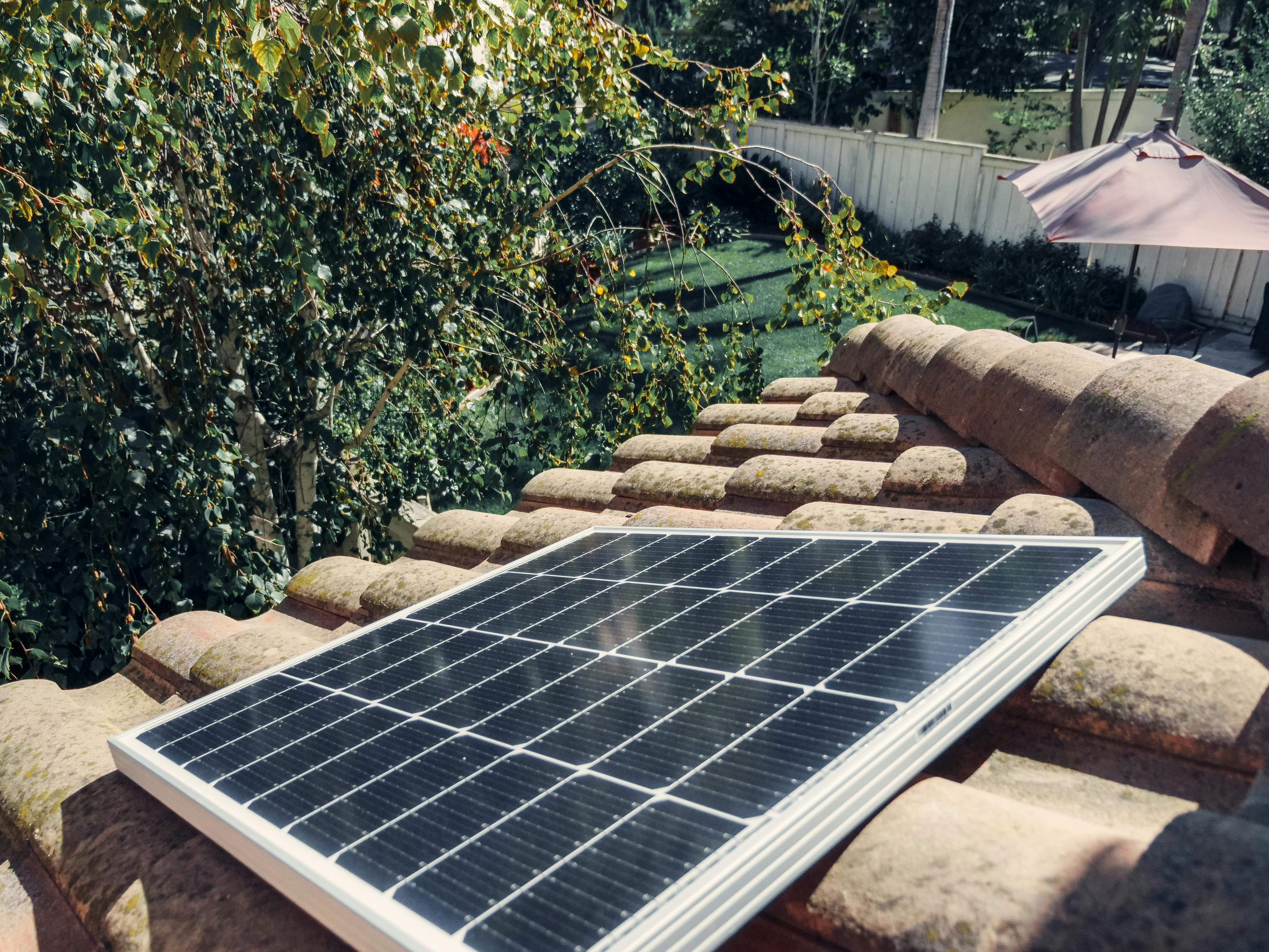
In the quest for sustainable living, a solar ventilation system emerges as a pivotal solution to enhance indoor air quality while reducing energy consumption. As concerns about environmental sustainability intensify, many homeowners are considering eco-friendly alternatives to traditional ventilation systems. Solar-powered ventilation offers a myriad of benefits ranging from energy efficiency to improved indoor air quality. This article delves into the various aspects of upgrading to a solar ventilation system, shedding light on its advantages, installation process, and maintenance requirements.
Understanding Solar Ventilation Systems
Solar ventilation systems harness solar energy to power fans that circulate air throughout a building, effectively reducing indoor temperature and improving air quality. These systems are particularly beneficial in regions with abundant sunlight, making them a popular choice for eco-conscious homeowners.
Key Benefits of Solar Ventilation Systems
- Energy Efficiency: By utilizing solar power, these systems significantly reduce dependence on electricity, leading to lower energy bills.
- Environmental Impact: Solar ventilation reduces carbon footprint, contributing to a more sustainable environment.
- Improved Indoor Air Quality: These systems help to expel stale air and introduce fresh air, minimizing pollutants and allergens indoors.
- Cost-Effective: Though the initial investment may be higher, the reduction in energy costs over time makes it a cost-effective solution.
For those interested in eco-friendly home upgrades, read more about this topic to understand the full spectrum of benefits.
Installation Process of Solar Ventilation Systems
Installing a solar ventilation system involves several steps, each crucial to ensuring optimal performance and longevity of the system. Here?s a brief overview of the installation process:
- Site Assessment: Evaluate the site to determine the best location for solar panels to maximize sun exposure.
- Choosing the Right System: Select a system that fits the specific needs of the building, considering factors such as size and ventilation requirements.
- Installation of Solar Panels: Mount the solar panels in a position where they receive maximum sunlight throughout the day.
- Fan Installation: Install the fans strategically to ensure effective airflow throughout the building.
- System Testing: After installation, test the system to ensure it operates efficiently and meets the expected performance standards.
For a comprehensive guide on installing these systems, learn more in this detailed guide.
Maintenance of Solar Ventilation Systems
Regular maintenance of solar ventilation systems is essential to ensure they continue to operate efficiently and effectively. Here are some key maintenance practices:
- Regular Cleaning: Clean the solar panels periodically to remove dust and debris that could hinder performance.
- System Checks: Conduct routine inspections of the system components to identify any wear and tear.
- Fan Maintenance: Ensure that the fans are functioning properly and replace any faulty components promptly.
- Monitor Energy Output: Regularly monitor the system?s energy output to detect any inconsistencies in performance.
For additional maintenance tips and best practices, explore further insights here.
Conclusion
Transitioning to a solar ventilation system presents a sustainable and efficient way to enhance indoor air quality while reducing energy consumption. By leveraging solar energy, these systems offer a multitude of benefits, including cost savings, environmental sustainability, and improved health outcomes. As more homeowners shift towards green solutions, solar ventilation systems stand out as a viable option for those seeking to make a positive impact on both their living environment and the planet. To delve deeper into the subject and explore installation options, find additional information here.