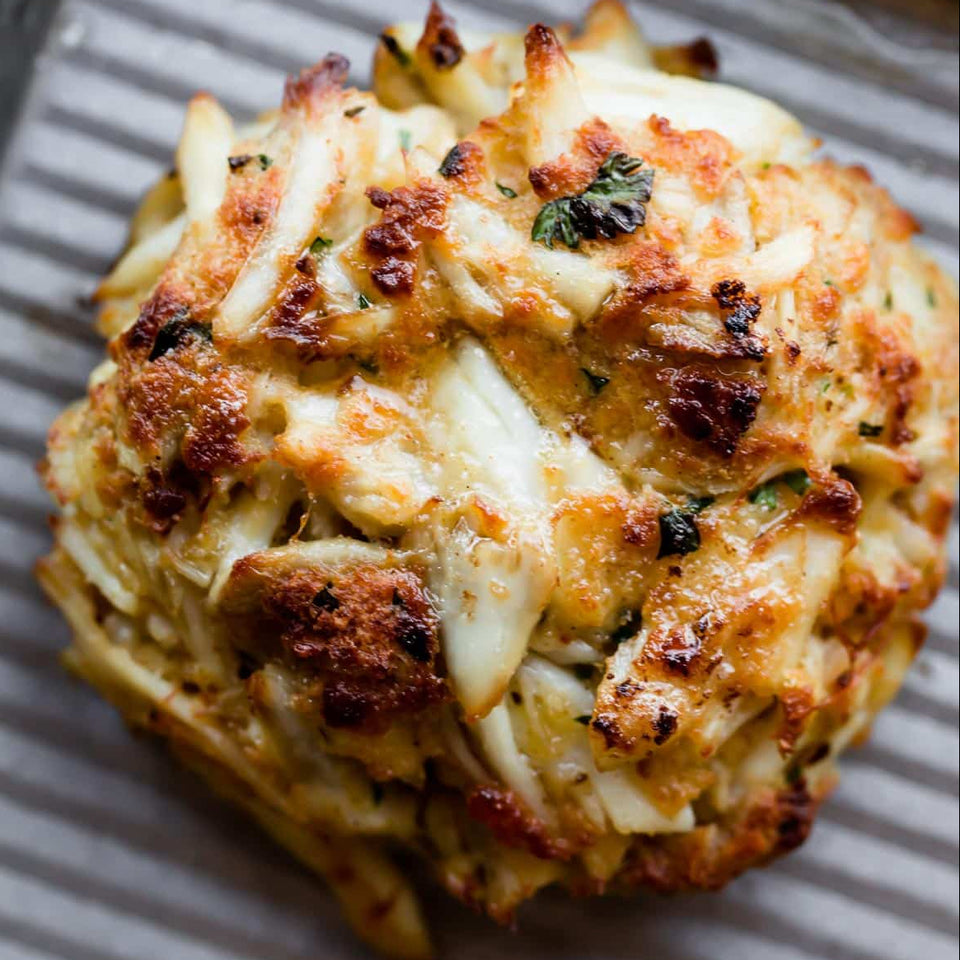
There are few culinary indulgences as universally appreciated as the delicate, succulent flavors of a well-prepared crab cake. The magic of crab cakes lies in their simplicity and the quality of the ingredients used. Discerning chefs and home cooks alike know that the secret to crafting the perfect crab cake is using fresh, high-quality crab meat, balanced with seasoning and a light binder, allowing the natural sweetness of the crab to shine through.
The Importance of Freshness
When it comes to preparing fresh crab cakes, the importance of freshness cannot be overstated. Fresh crab meat offers a sweet, tender flavor that is both delicate and rich. To ensure the best quality, consider the following:
- Choose crab meat that is labeled as “fresh” or “never frozen” to guarantee optimal taste and texture.
- Look for crab meat with a bright white color and a subtle ocean aroma, indicative of freshness.
- Avoid any crab meat with a strong fishy smell, as it suggests the meat is past its prime.
Crafting the Perfect Crab Cake
Ingredients and Balance
While fresh crab meat is the star, the supporting ingredients play a crucial role in enhancing the flavor profile. The ideal crab cake should be light, with just enough binder to hold it together, allowing the crab to take center stage.
- Binders: A small amount of mayonnaise or egg can be used to bind the crab meat, contributing to a moist texture.
- Seasonings: A touch of Old Bay seasoning, Dijon mustard, and fresh herbs like parsley can elevate the natural flavors without overpowering them.
- Bread crumbs: Opt for minimal bread crumbs to prevent the crab cake from becoming heavy. Panko crumbs can add a nice crunch without adding weight.
Cooking Techniques
Cooking techniques can also influence the final outcome of your crab cakes. Whether you choose to bake, broil, or fry, each method offers a unique texture and flavor experience.
- Baking: Baking is a healthier option that ensures even cooking. Preheat the oven to 375??F and bake the crab cakes for about 12-15 minutes until they are golden brown.
- Broiling: Broiling gives the crab cakes a crispy exterior. Place them under the broiler for 3-4 minutes on each side until they achieve a beautiful, golden crust.
- Frying: For a traditional approach, pan-fry the crab cakes in a little oil over medium heat for 4-5 minutes per side, achieving a golden-brown crust.
Serving Suggestions
Presentation is key when serving crab cakes. They should be the centerpiece, accompanied by complementary sides that enhance their flavors. Consider these serving suggestions:
- Garnishes: A light squeeze of lemon juice and a sprinkle of fresh herbs can brighten the dish.
- Accompaniments: Serve with a side of coleslaw or a fresh green salad to balance the richness of the crab cakes.
- Sauces: A classic remoulade or a tangy tartar sauce can complement the crab cakes beautifully.
Conclusion
Crafting fresh crab cakes that are both flavorful and authentic requires attention to detail and a commitment to quality ingredients. By prioritizing fresh crab meat and mastering the balance of flavors and textures, one can create a dish that’s sure to impress. For those seeking inspiration or the finest ingredients, exploring options for fresh crab cakes can provide both the motivation and the components needed to elevate one’s culinary creations. Whether for a special occasion or a simple indulgent meal, crab cakes done right are a testament to the art of refined, yet simple cooking.