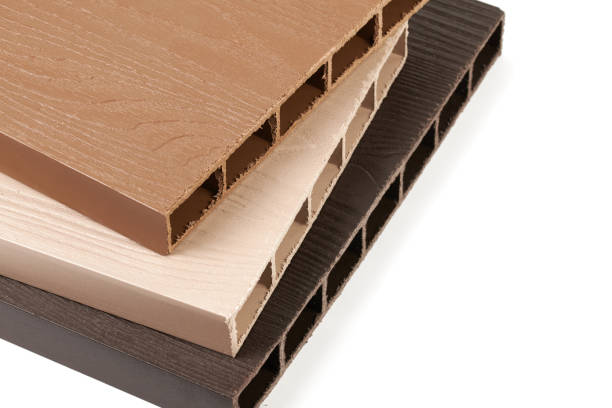
When considering a new deck, homeowners often find themselves weighing the benefits and drawbacks of PVC and composite decking materials. Each type offers unique advantages, but also presents certain limitations. Understanding these can greatly assist in making an informed decision that aligns with both aesthetic preferences and practical needs. Delving into the specifics of each material can help clarify their respective roles in outdoor construction and design.
Understanding PVC Decking
PVC, or polyvinyl chloride, decking is a popular choice due to its durability and low maintenance. Let’s explore the key aspects that define PVC decking:
Advantages of PVC Decking
- Durability: PVC decking is known for its resistance to weathering, rot, and insect damage.
- Low Maintenance: Requires minimal upkeep, with no need for staining, painting, or sealing.
- Moisture Resistance: Its water-resistant properties make it ideal for areas prone to moisture.
- Lightweight: Easier to handle and install due to its lightweight nature.
Drawbacks of PVC Decking
- Cost: Generally more expensive upfront compared to other materials.
- Appearance: May lack the natural look and feel of wood, which some homeowners prefer.
- Temperature Sensitivity: Tends to heat up under direct sunlight, which can be uncomfortable.
For a deeper understanding of PVC decking and its applications, find out more about this approach.
Exploring Composite Decking
Composite decking is crafted from a blend of wood fibers and plastic, offering a unique balance of natural aesthetics and enhanced durability.
Advantages of Composite Decking
- Aesthetic Appeal: Provides a more natural wood-like appearance, appealing to those who value traditional aesthetics.
- Low Maintenance: Like PVC, it requires minimal maintenance, saving time and effort.
- Eco-Friendly Options: Often made from recycled materials, making it a more sustainable choice.
- Longevity: Resistant to fading, staining, and mildew, ensuring a long-lasting investment.
Drawbacks of Composite Decking
- Cost: Can be expensive, though typically cheaper than PVC.
- Weight: Heavier than PVC, which may affect installation ease and cost.
- Moisture Sensitivity: While resistant, it is not entirely immune to moisture, requiring proper sealing.
Explore advanced guides and tips for a more comprehensive overview of composite decking features.
Making the Right Choice
When deciding between PVC and composite decking, consider factors such as budget, aesthetic preference, and intended use. PVC may be preferable for those prioritizing durability and minimal maintenance, while composite decking offers a more natural look with eco-friendly options. Each material has its unique set of characteristics and understanding these can assist in making an informed decision.
For those seeking further insights, discover expert strategies here to tailor your decking choice to your specific needs.