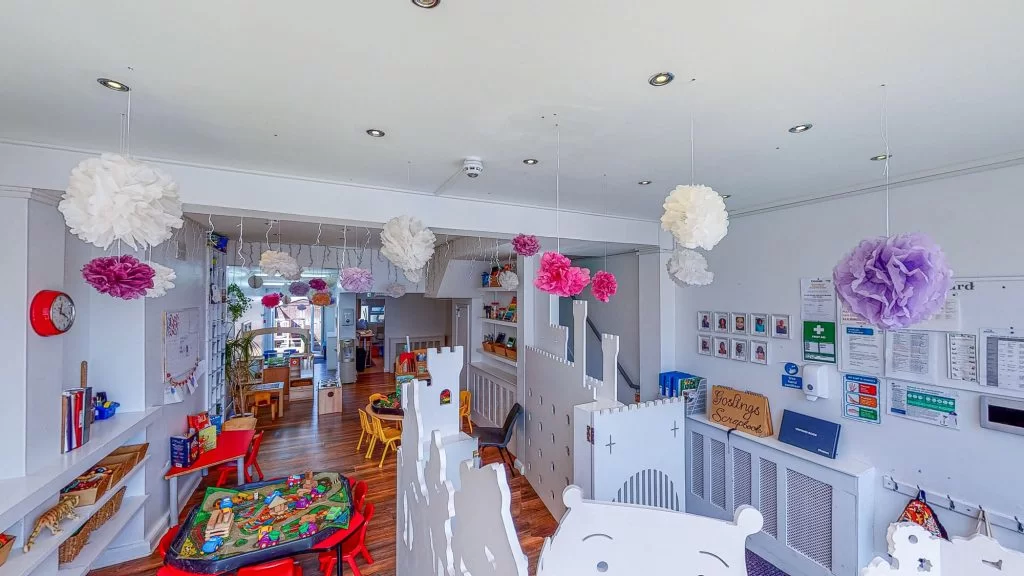
In the rapidly evolving landscape of early childhood education, personalized child development programs have emerged as a vital component in nurturing the unique potential of every child. Private day nurseries are increasingly adopting these tailored approaches to support the diverse needs and interests of young learners. By focusing on individualized learning experiences, these nurseries aim to foster a stimulating environment where children can thrive academically, socially, and emotionally. This article delves into the key aspects of personalized child development programs and their significance in a private day nursery setting.
Understanding Personalized Child Development Programs
Personalized child development programs are designed to cater to the distinct needs of each child, recognizing their individual learning pace and style. These programs incorporate various educational strategies that focus on:
- Identifying individual strengths and areas for improvement.
- Customizing learning activities to match each child’s interests.
- Encouraging active participation and engagement in learning.
- Providing opportunities for social interaction and collaboration.
These elements ensure that children receive a well-rounded education, supporting their growth across multiple domains. Explore further insights here into the benefits of personalized learning approaches.
The Role of Educators in Personalized Programs
Educators play a pivotal role in implementing personalized child development programs. They are responsible for creating a nurturing environment that encourages exploration and discovery. Key responsibilities of educators include:
- Conducting assessments to understand each child’s developmental stage.
- Designing individualized learning plans that align with developmental milestones.
- Utilizing a variety of teaching methods to accommodate different learning styles.
- Providing continuous feedback and support to children and parents.
By taking a proactive approach, educators help children build confidence and develop essential life skills. Read more about this topic to understand how educators contribute to personalized learning environments.
Benefits of Personalized Child Development Programs
Personalized child development programs offer numerous benefits that extend beyond academic achievement. Some of the key advantages include:
- Enhanced motivation and engagement in learning activities.
- Improved social skills and emotional intelligence.
- Increased self-awareness and self-esteem.
- Development of critical thinking and problem-solving skills.
These benefits are instrumental in preparing children for future educational endeavors and life challenges. Learn more in this detailed guide on the advantages of personalized educational programs.
Implementing Personalized Learning in Private Day Nurseries
Creating a Supportive Environment
A supportive learning environment is crucial for the success of personalized programs in private day nurseries. This involves:
- Providing access to diverse learning materials and resources.
- Ensuring a safe and inclusive atmosphere for all children.
- Fostering open communication between educators, children, and parents.
Such an environment encourages children to explore their interests and develop a love for learning. Find additional information here on creating supportive learning environments.
Engaging Parents in the Learning Process
Parental involvement is a key component of personalized child development programs. By engaging parents in their child’s learning journey, nurseries can:
- Ensure consistency between home and nursery learning experiences.
- Gather valuable insights into a child’s interests and needs.
- Encourage parental support in reinforcing learning objectives.
Strong partnerships between parents and educators contribute to a holistic approach to child development. Explore further insights here to understand the importance of parental involvement.
In conclusion, personalized child development programs provide a robust framework for nurturing the unique potential of every child in a private day nursery setting. By embracing individualized learning experiences, educators can foster an environment that promotes holistic growth and prepares children for future success.