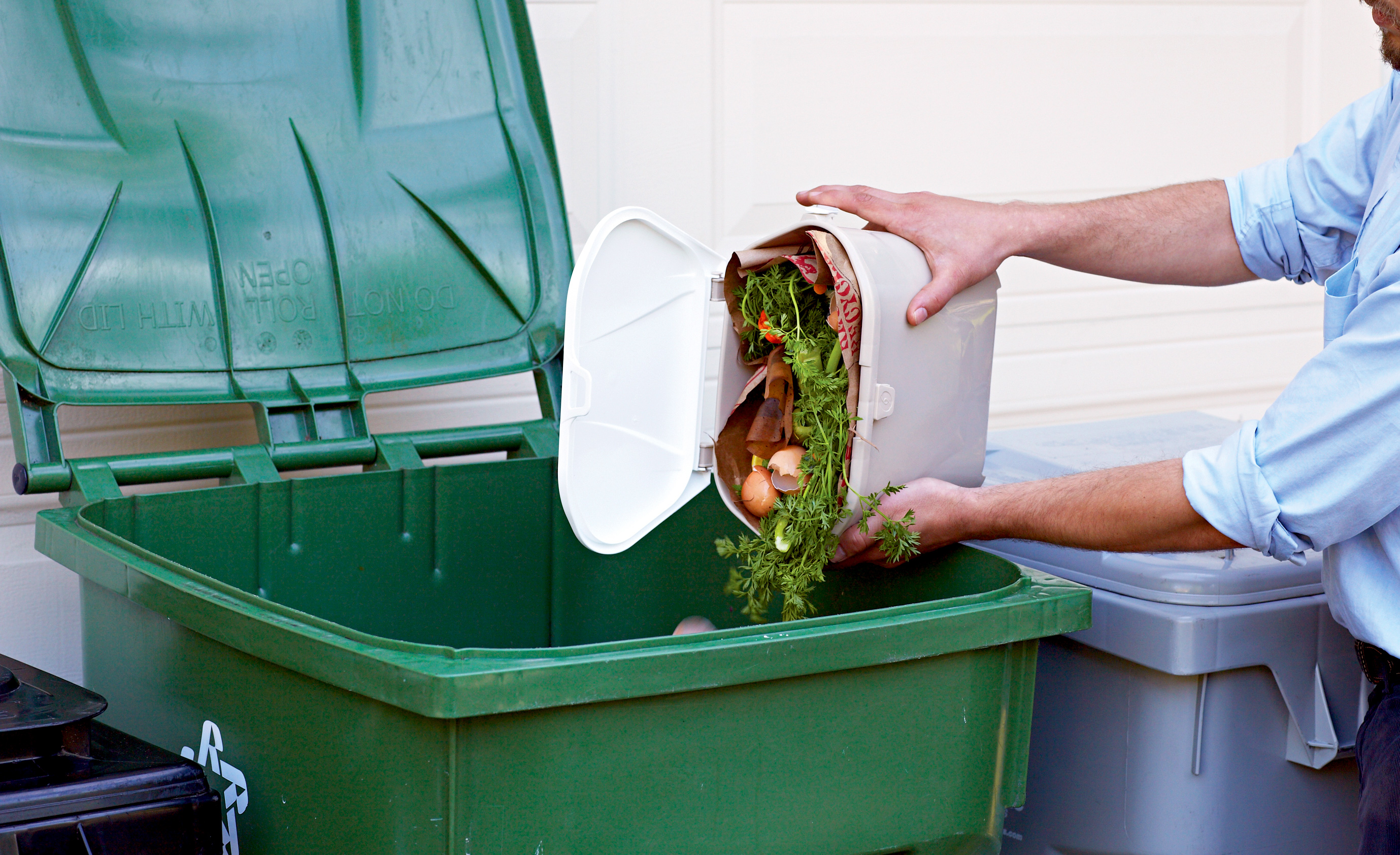
Sustainability in the workplace is no longer just a trend?it’s a necessity. As businesses strive to reduce their environmental impact, one area often overlooked is food waste. Implementing effective food waste composting solutions can significantly contribute to sustainability efforts, reduce costs, and enhance the workplace environment. By integrating these strategies, offices can not only minimize their ecological footprint but also promote a culture of sustainability among employees.
Understanding the Importance of Food Waste Composting
Food waste is a significant contributor to environmental issues, with large amounts ending up in landfills, generating methane, a potent greenhouse gas. Composting offers a sustainable way to recycle organic waste, turning it into valuable resources such as nutrient-rich soil. This aligns with the growing movement towards sustainability in the office space, where reducing waste and increasing recycling are critical components. Discover expert strategies here to integrate composting into office practices.
Simple Steps to Implement Office Food Waste Composting
1. Conduct a Waste Audit
Before implementation, it’s essential to understand the volume and type of food waste generated in the office. Conducting a waste audit helps in assessing the current situation and planning an effective composting strategy.
2. Choose a Suitable Composting Solution
There are several composting options available, each with its own benefits:
- On-Site Composting: Ideal for larger workplaces with space to maintain compost bins.
- Off-Site Composting: Involves partnering with local composting services to collect and process waste.
- Vermicomposting: Utilizes worms to break down food scraps, suitable for offices with limited space.
Learn about our tailored solutions for various office sizes and needs.
3. Educate and Engage Employees
Employee participation is crucial for successful composting. Conduct workshops and provide educational materials to raise awareness and encourage active involvement. Clear communication ensures employees understand what can and cannot be composted.
4. Provide Necessary Supplies and Infrastructure
Ensure that the office is equipped with necessary composting supplies, such as bins and signage. Strategic placement of compost bins encourages participation and compliance.
Benefits of Office Composting
Implementing a food waste composting program in the office can yield numerous benefits:
- Environmental Impact: Reduces landfill waste and lowers the office’s carbon footprint.
- Cost Savings: Decreases waste management costs by reducing the volume of waste sent to landfills.
- Employee Engagement: Enhances employee morale and participation in sustainability initiatives.
Explore advanced guides and tips on maximizing these benefits in your workplace.
Overcoming Common Challenges
While the benefits are clear, offices may face challenges in implementing composting programs. Common issues include:
- Lack of Participation: Address this by fostering a culture of sustainability and rewarding participation.
- Space Limitations: Opt for compact composting solutions like vermicomposting.
- Odor and Pest Concerns: Use proper bin management techniques and regular maintenance to mitigate these issues.
Find out more about this approach to tackle these challenges effectively.
Conclusion
Office sustainability doesn’t need to be a complex undertaking. By implementing simple food waste composting solutions, businesses can take significant strides towards reducing their environmental impact. With thoughtful planning, employee engagement, and the right resources, offices can transform their waste management practices and contribute positively to the environment. Embrace the change and lead the way in sustainability efforts, making a lasting impact both in the workplace and beyond.