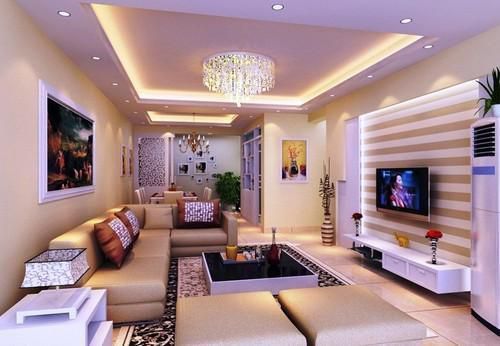
Maximizing space within the home is a key component of effective interior design. As living spaces become more compact in urban settings and minimalist lifestyles gain popularity, the need for efficient use of space has never been more critical. By employing strategic decorating techniques, one can transform even the smallest areas into functional, aesthetically pleasing environments. A harmonious balance between style and functionality is essential, allowing each piece of furniture and decor to serve a purpose. This article delves into sophisticated strategies to maximize space without compromising on design.
Understanding Space Utilization
Before diving into specific strategies, it’s crucial to understand the concept of space utilization. This involves analyzing the available space and determining how to make the most of it. Here are some fundamental principles to consider:
- Assess the Space: Begin by evaluating the dimensions and layout of each room. Identify any awkward corners or underutilized areas that could be repurposed.
- Prioritize Functionality: Determine the primary function of the space. Is it a living room, a workspace, or a multi-functional area? This will guide the choice of furniture and decor.
- Plan the Layout: Create a floor plan that maximizes flow and accessibility. Consider the placement of furniture and how it impacts movement within the room.
- Declutter: Remove unnecessary items. A clutter-free environment not only feels more spacious but also enhances the overall aesthetic.
Innovative Furniture Solutions
Furniture plays a pivotal role in space maximization. Opting for the right pieces can significantly enhance both the functionality and appearance of a room.
Multi-functional Furniture
Investing in multi-functional furniture is a smart way to save space. Consider the following options:
- Sofa Beds: Ideal for guest rooms or studios, they provide a comfortable seating area by day and a bed by night.
- Extendable Tables: Perfect for dining areas, these tables can be adjusted to accommodate more guests when needed.
- Ottomans with Storage: These serve as seating, footrests, and storage units, offering flexibility and convenience.
For more insights on choosing the right furniture, learn about our tailored solutions.
Strategic Decor Placement
Decor placement is critical in creating an illusion of space. Here are some techniques to consider:
Use of Mirrors
Mirrors are a classic tool in interior design, often used to create a sense of depth and openness. Position them strategically to reflect light and visually enlarge the room. Explore advanced guides and tips on how to effectively integrate mirrors into your decor.
Vertical Space Utilization
Maximize vertical space by installing shelves or cabinets that reach the ceiling. This not only provides additional storage but also draws the eye upwards, making the room appear taller. Consider hanging art or decorative panels high on the walls to enhance this effect.
Color and Lighting Considerations
Color schemes and lighting play a significant role in how spacious a room feels. Light colors and well-placed lighting can open up a space, making it feel airier and more inviting.
- Light Color Palettes: Whites, creams, and pastels reflect light, creating an expansive feel. Use them on walls and large furniture pieces for maximum effect.
- Layered Lighting: Combine ambient, task, and accent lighting to highlight different areas and create a dynamic atmosphere.
To delve deeper into effective lighting strategies, discover expert strategies here.
Conclusion
Maximizing space is an art that blends creativity with practicality. By understanding space utilization, selecting multi-functional furniture, strategically placing decor, and choosing the right colors and lighting, any room can be transformed into a functional and elegant space. For those seeking to refine their approach and explore more sophisticated methods, find out more about this approach and elevate your home decorating skills to a professional level.