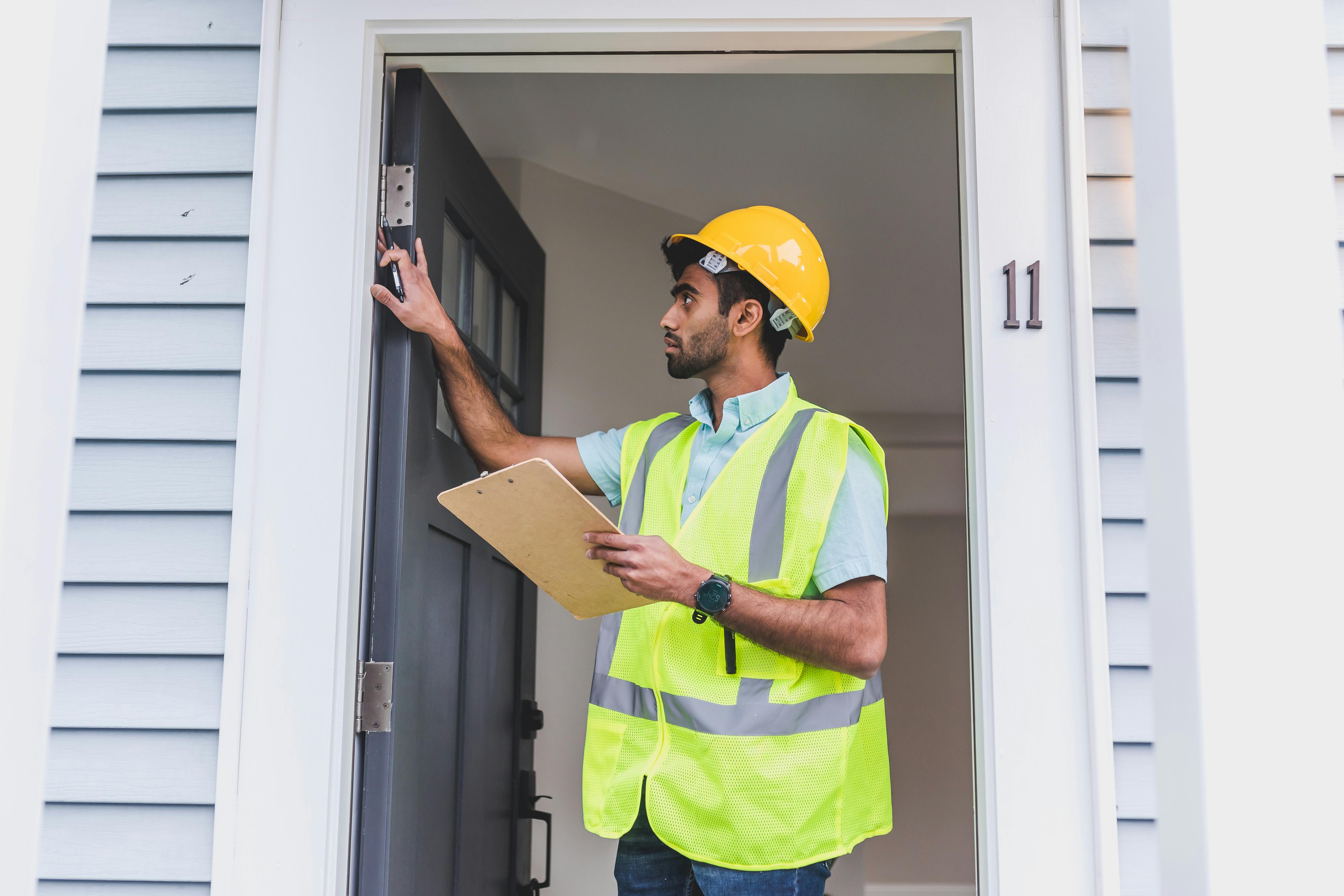
In the realm of real estate and property management, ensuring the safety of a building is paramount. Property safety inspections play a crucial role in protecting the structural integrity of a building, the safety of its occupants, and the valuation of the property itself. These inspections are not merely a routine procedure; they are a necessary component in maintaining compliance with legal regulations, preventing accidents, and safeguarding investments.
The Role of Property Safety Inspections
Property safety inspections serve multiple purposes and are integral to the overall maintenance and management of any property. Here are some primary roles they fulfill:
- Identify Potential Hazards: Inspections help in identifying potential hazards that could harm occupants or damage the property.
- Legal Compliance: Many regions require regular safety inspections to comply with local building codes and regulations. Failing to adhere to these can result in fines or legal action.
- Preventative Measures: Regular inspections can detect issues early, allowing for preventive measures to be taken before minor problems escalate into costly repairs.
- Insurance Requirements: Many insurance policies require regular safety inspections to validate coverage, ensuring that claims are honored in the event of an incident.
For those seeking a deeper understanding of the intricacies involved in property safety, it is beneficial to discover expert strategies here.
Key Aspects Covered in Safety Inspections
A comprehensive property safety inspection will cover various aspects, ensuring a thorough evaluation of the premises. Key areas typically include:
Structural Integrity
Ensuring that the structural components of a building such as foundations, beams, and walls are sound is one of the first steps in any inspection process. This includes looking for signs of wear, damage, or potential failure.
Electrical Systems
Electrical safety is a critical element of property inspections. Inspectors will evaluate the condition of wiring, panels, and outlets to prevent electrical fires or accidents. Learn about our tailored solutions for maintaining electrical safety standards.
Fire Safety
Fire safety inspections assess the adequacy of smoke detectors, fire extinguishers, sprinkler systems, and emergency exits. Ensuring these are up to date and functional is crucial to protecting lives and property.
Plumbing and Water Systems
Inspectors will check for leaks, water pressure issues, and the condition of pipes. Proper maintenance of these systems prevents water damage and health hazards.
For advanced insights and maintenance tips, explore advanced guides and tips that can offer valuable guidance in this area.
Benefits of Regular Property Safety Inspections
Regular property inspections offer numerous benefits that extend beyond immediate safety concerns. These include:
- Cost Savings: By identifying issues early, property owners can address problems before they require expensive repairs.
- Increased Property Value: Well-maintained properties are more attractive to potential buyers and tend to have higher market values.
- Enhanced Safety: Regular inspections ensure that all safety measures are in place, reducing the risk of accidents or injuries.
For those looking to maximize their property’s potential, find out more about this approach to ensure comprehensive safety and maintenance strategies.
Conclusion
In conclusion, property safety inspections are a vital component of responsible property management. They not only protect the physical structure and the people within but also enhance the property’s value and ensure legal compliance. By staying proactive and informed, property owners can safeguard their investments and provide a safe environment for all occupants. For more information and resources on effective property safety practices, consider exploring professional guides and strategies available online.