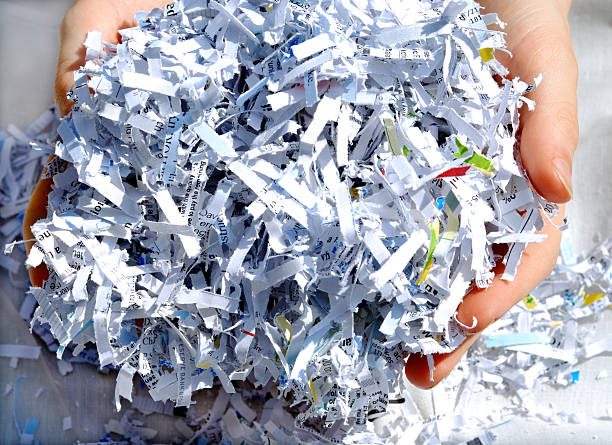
In a world increasingly conscious of environmental impact, recycling has become a pivotal practice to ensure sustainability. One often overlooked aspect of recycling is the proper disposal and processing of shredded paper. While shredding sensitive documents is a common practice for privacy, the resulting paper waste presents a unique challenge. Understanding how to properly recycle shredded paper can contribute significantly to environmental conservation efforts. This guide will walk through efficient and eco-friendly practices for recycling shredded paper.
Understanding the Challenges of Shredded Paper Recycling
Shredded paper poses specific challenges when it comes to recycling due to its reduced fiber length. This makes it less desirable for recycling facilities, as it can clog machinery or be too small to sort effectively. However, with the right approach, shredded paper can still be recycled responsibly.
Why Shredded Paper is Often Rejected
Many recycling facilities do not accept shredded paper because:
- It is difficult to handle and sort due to its small size.
- It can contaminate the recycling stream if mixed with other recyclables.
- The short fibers are less valuable for repurposing into new products.
Steps to Recycle Shredded Paper
To ensure that shredded paper is recycled effectively, follow these steps:
1. Check Local Recycling Policies
Before attempting to recycle shredded paper, it’s crucial to check the recycling policies of your local municipality or waste management service. Many areas have specific guidelines or designated facilities that accept shredded paper.
2. Use Designated Recycling Bags
Place shredded paper in a clear plastic bag or paper bag designated for recycling. This prevents the paper from scattering and makes it easier for recycling facilities to handle. Ensure the bag is clearly labeled if required by local guidelines.
3. Locate Drop-off Points
Some areas may have specific drop-off points for shredded paper. These could include:
- Community recycling centers
- Local government facilities
- Participating retailers or eco-friendly businesses
Alternative Uses for Shredded Paper
If recycling is not an option, consider alternative ways to reuse shredded paper:
- Composting: Shredded paper can be added to compost piles, offering a carbon-rich component that complements nitrogen-rich food scraps.
- Pet Bedding: Use shredded paper as bedding material for small pets or animals.
- Packaging Material: Shredded paper serves as an excellent cushioning material for packaging fragile items.
These options not only reduce waste but also provide practical solutions for everyday needs.
Conclusion
Properly recycling shredded paper is a significant step towards sustainable living. By understanding local recycling requirements and exploring alternative uses, individuals can effectively manage shredded paper waste. Remember that every small effort counts in the broader context of environmental conservation. For more detailed information on shredded paper recycling, consider consulting local environmental resources or professional recycling services.