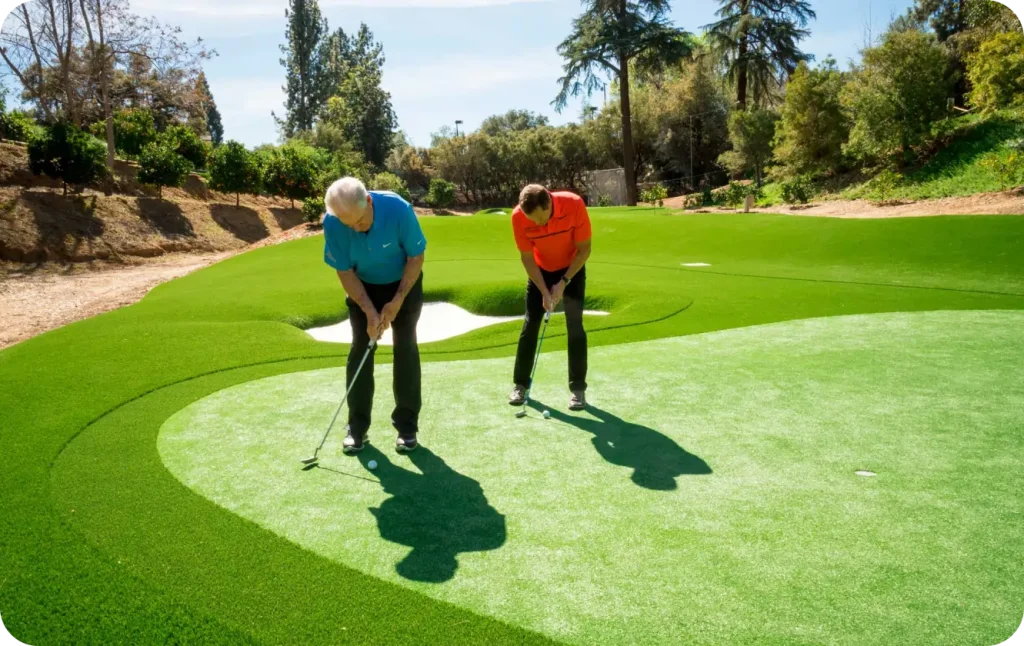
In the heart of Daytona Beach, maintaining a lush, green lawn can often present a challenge due to fluctuating weather conditions and the specific demands of natural grass. However, artificial turf offers an innovative solution that ensures a vibrant lawn throughout the year. As an alternative to natural grass, artificial turf eliminates the need for extensive maintenance while providing a consistently beautiful landscape. This article explores the benefits of artificial turf, its applications, and considerations for installation, offering a comprehensive guide for those considering this option.
Benefits of Artificial Turf
Artificial turf integrates seamlessly into residential and commercial landscapes, offering numerous benefits that make it an attractive choice:
- Low Maintenance: Unlike natural grass, artificial turf requires minimal upkeep. There’s no need for regular watering, mowing, or fertilizing, saving both time and resources.
- Environmental Advantages: By eliminating the need for pesticides and reducing water usage, artificial turf contributes to a more sustainable environment.
- Durability: Designed to withstand heavy foot traffic and diverse weather conditions, artificial turf maintains its appearance and functionality for years.
- Allergen-Free: Ideal for those with grass allergies, artificial turf provides a safe, hypoallergenic alternative.
Applications of Artificial Turf
The versatility of artificial turf extends beyond residential lawns. Its applications are diverse, making it suitable for various settings:
Residential Use
Artificial turf is a popular choice for homeowners seeking an attractive, hassle-free lawn. It can be used for:
- Front and backyards, providing a year-round lush appearance.
- Play areas, offering a safe and durable surface for children.
- Pet areas, designed to withstand wear and tear from pets.
Commercial and Public Spaces
For commercial properties and public parks, artificial turf offers practical and aesthetic benefits:
- Sports fields, ensuring consistent playability and low maintenance.
- Commercial landscaping, enhancing aesthetic appeal while reducing maintenance costs.
- Rooftop gardens, providing greenery in urban environments.
For more detailed applications and tailored solutions, learn about our tailored solutions.
Considerations for Installation
Successful installation of artificial turf requires careful planning and consideration of several factors:
Site Preparation
Proper site preparation is crucial for ensuring the longevity and appearance of artificial turf:
- Ensure proper drainage to prevent water accumulation.
- Remove existing vegetation and debris for a smooth installation surface.
- Level the ground to eliminate any uneven areas.
Material Selection
Choosing the right type of artificial turf is essential to meet specific needs and preferences:
- Consider the pile height and density based on intended usage.
- Select a turf material that complements the surrounding landscape.
For advanced guides and tips on selecting the right turf, explore advanced guides and tips.
Long-term Maintenance
While artificial turf requires less maintenance than natural grass, some upkeep is still necessary to maintain its appearance and functionality:
- Regularly remove debris and leaves to keep the surface clean.
- Brush the turf periodically to maintain the fibers’ upright position.
- Rinse the surface as needed to remove dust and dirt.
For more insights into maintaining artificial turf, discover expert strategies here.
Conclusion
Artificial turf presents an effective solution for those seeking a green, vibrant lawn in Daytona Beach without the challenges of natural grass maintenance. Its benefits, versatility, and ease of maintenance make it an appealing choice for both residential and commercial applications. By considering the necessary installation factors and maintenance strategies, individuals can enjoy a beautiful and enduring artificial lawn. To find out more about this approach and tailor it to specific needs, find out more about this approach.