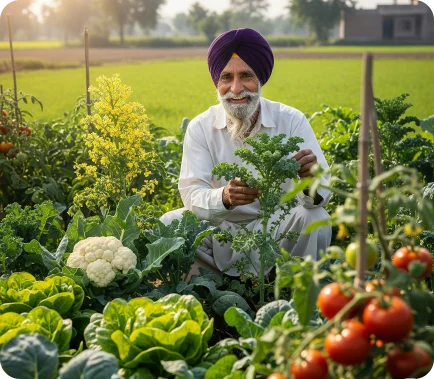
In a world increasingly conscious of health, sustainability, and environmental impact, the demand for fresh organic produce is surging. Consumers are not just looking for produce that tastes great; they want assurances that their fruits and vegetables are grown without harmful chemicals and with respect for the environment. Certified organic farmers play a crucial role in this ecosystem, ensuring that the produce reaching your plate is both nutritious and safe. This article explores the journey from farm to table, highlighting the benefits of choosing organic and the meticulous processes involved in maintaining organic integrity.
The Journey of Organic Produce
Understanding Certified Organic Farming
Certified organic farming is more than just a label. It is a commitment to sustainable agriculture practices that minimize environmental impact. Here are some key aspects of certified organic farming:
- Prohibition of synthetic fertilizers and pesticides.
- Use of natural pest control and soil management techniques.
- Maintenance of biodiversity and ecological balance.
- Compliance with rigorous organic standards and regular inspections.
For a deeper understanding of these practices, discover expert strategies here.
Benefits of Organic Produce
Opting for organic produce is beneficial not only for personal health but also for the planet. Some of the advantages include:
- Reduced exposure to harmful chemicals.
- Better taste and nutrition due to natural growth processes.
- Support for sustainable farming practices.
- Contribution to biodiversity and ecosystem health.
To learn about tailored solutions that support these benefits, find out more about this approach.
From Farm to Table: Ensuring Quality and Safety
Meticulous Handling and Transportation
Ensuring that organic produce remains fresh and uncontaminated involves careful handling and transportation. Key procedures include:
- Strict temperature control during transportation and storage.
- Use of dedicated facilities for organic produce to prevent cross-contamination.
- Regular quality checks at every stage of the supply chain.
Explore advanced guides and tips on maintaining quality during transportation on the Back to Farms website.
The Role of Consumers in the Organic Movement
As a consumer, supporting organic produce means promoting an industry focused on sustainability and health. Here?s how consumers can contribute:
- Choosing certified organic products to encourage environmentally friendly practices.
- Educating oneself on the benefits and challenges of organic farming.
- Engaging with local farmers and markets to understand the origin of produce.
To further engage with the organic movement, learn about our tailored solutions that connect consumers with farmers.
Conclusion
The journey of organic produce from certified farmers to your plate is one of dedication, quality, and sustainability. By choosing organic, consumers not only prioritize their health but also support an agricultural system that respects the environment. The commitment to organic farming and conscientious consumption can lead to a healthier lifestyle and a more sustainable future. For more insights and resources, explore advanced guides and tips on embracing organic living.