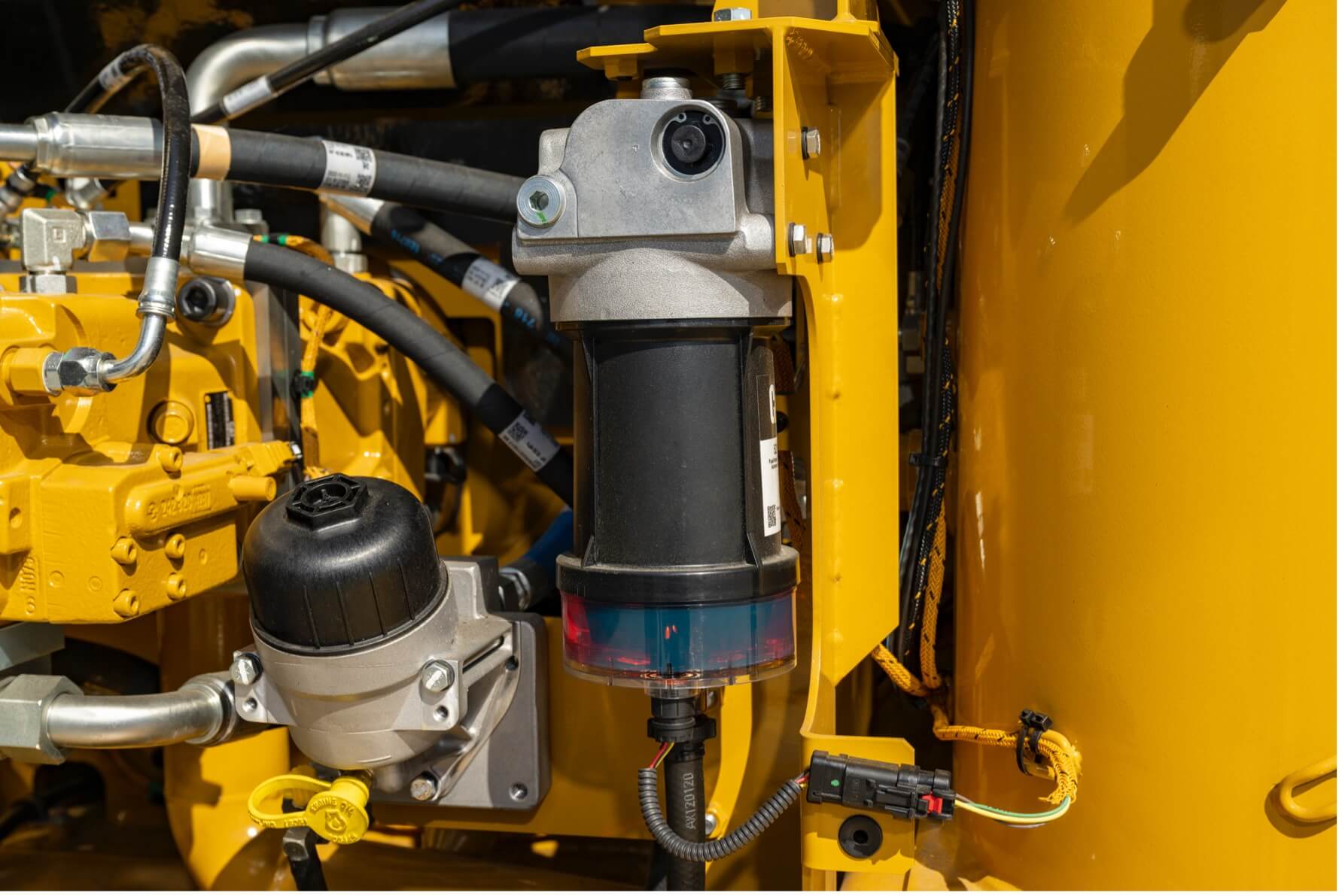
The world of lift hydraulics is a fascinating realm of engineering that combines the principles of fluid dynamics with mechanical engineering to create efficient and reliable lifting solutions. Whether in elevators, industrial lifts, or construction machinery, hydraulic systems are integral to the safe and effective movement of heavy loads. Understanding the inner workings of these systems not only enhances the appreciation of engineering prowess but also underscores the importance of maintenance and innovation in this field.
Fundamentals of Hydraulic Systems
Hydraulic systems operate on the principle of transmitting force through a fluid medium. This is achieved by utilizing incompressible fluids, often oil, to exert force on various mechanical components to perform work. The fundamental components of a hydraulic system include:
- Hydraulic Pump: Converts mechanical energy into hydraulic energy, pushing the hydraulic fluid through the system.
- Valves: Control the flow and pressure of the hydraulic fluid, ensuring that it reaches the desired locations within the system.
- Cylinders: The hydraulic lift cylinder transforms hydraulic energy back into mechanical energy, performing the lifting work.
Components of Lift Hydraulics
The efficiency and effectiveness of lift hydraulics depend largely on the quality of its components. Key hydraulic lift components include:
- Reservoir: Stores the hydraulic fluid and helps dissipate heat generated during operation.
- Filters: Ensure that the fluid remains free of contaminants that could cause damage or reduce efficiency.
- Piping: Connects various components, allowing for seamless flow and transfer of fluids.
Using high-quality hydraulic equipment is crucial for maintaining the longevity and reliability of the system.
Operation and Functionality
The operation of hydraulic lifts involves a series of fluid movements and mechanical actions. When a lift is engaged, hydraulic fluid is pumped into the cylinder, causing the lift to rise. The control of fluid flow is crucial for smooth and controlled movement. This is managed by:
- Pressure Relief Valves: Prevent excessive pressure build-up, safeguarding the system from potential damage.
- Directional Control Valves: Direct the flow of fluid to either the lift or return line, allowing for ascension or descent.
The design and calibration of lift hydraulics are pivotal in ensuring the system performs optimally under varying conditions.
Maintenance and Longevity
Proper maintenance of hydraulic systems is essential to ensure their efficiency and longevity. Regular inspections and servicing can prevent potential issues that could lead to system failures. Important maintenance practices include:
- Regular Fluid Checks: Ensuring hydraulic fluid levels are sufficient and replacing it when necessary to prevent contamination.
- Component Inspections: Regularly checking components such as seals, cylinders, and valves for wear and tear.
- System Calibration: Periodic adjustments to ensure that the system operates within its specified parameters.
Conclusion
Exploring the intricacies of hydraulic systems reveals the complex yet elegant mechanisms that enable heavy lifting across various industries. The combination of robust components, precise engineering, and diligent maintenance ensures that these systems remain reliable and efficient. As technology advances, the continuous evolution of hydraulic systems promises even greater efficiency and innovation in lift hydraulics.