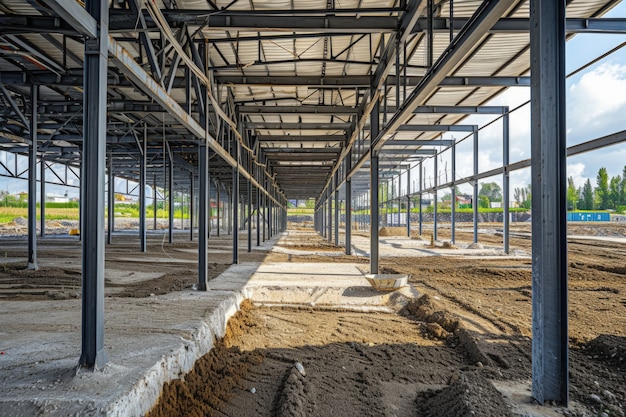
Foundation underpinning is a critical process in construction and renovation that ensures the structural integrity and longevity of buildings. As buildings age or are subjected to shifting soil conditions, their foundations can become unstable, leading to structural issues that may compromise safety. Understanding the various underpinning methods available is crucial for property owners and construction professionals seeking effective, long-lasting solutions. This article delves into several underpinning techniques, highlighting their advantages and applications, while offering insights into how they can be implemented for optimal results.
The Necessity of Foundation Underpinning
Foundations may require underpinning due to a variety of reasons, including:
- Natural soil erosion or changes in soil composition.
- Improper initial foundation installation.
- Increased load from new construction or extensions.
- Nearby excavation activities impacting soil stability.
To address these issues effectively, employing the right underpinning method is essential. Discover expert strategies here.
Popular Underpinning Techniques
Mass Concrete Underpinning
The traditional method of mass concrete underpinning involves extending the depth or breadth of the existing foundation by pouring concrete. This technique is particularly useful for shallow foundations and when minor repairs are needed.
- Time-tested and reliable for smaller projects.
- Cost-effective for projects with limited budgets.
For detailed guidance on this approach, find out more about this approach.
Screw Piles and Brackets
Screw piles and brackets involve the use of steel shafts with helical plates that are screwed into the ground, providing both support and stability. This method is ideal for situations with limited access or poor soil conditions.
- Quick installation with minimal disruption.
- Suitable for a wide range of soil types.
Explore advanced guides and tips.
Mini-Piled Underpinning
Mini-piled underpinning is used where soil conditions are variable, and a deeper foundation is required. This method is highly adaptable and can be customized to suit specific requirements.
- Can be utilized in restricted spaces.
- Effective for deep foundations and heavy loads.
Learn about our tailored solutions.
Choosing the Right Method
Selecting the appropriate underpinning method depends on several factors:
- The condition and type of the existing foundation.
- The surrounding soil composition and conditions.
- Budget constraints and project timelines.
- Any specific structural requirements or restrictions.
Consulting with experienced professionals ensures that the right technique is used, providing peace of mind and lasting results. To see how these strategies have worked for others, check out customer reviews here.
Conclusion
Foundation underpinning is a vital process that requires careful consideration and expert execution. By understanding the various methods and their applications, property owners and construction professionals can make informed decisions to ensure the stability and durability of their structures. For those interested in exploring underpinning solutions further, discover expert strategies here.