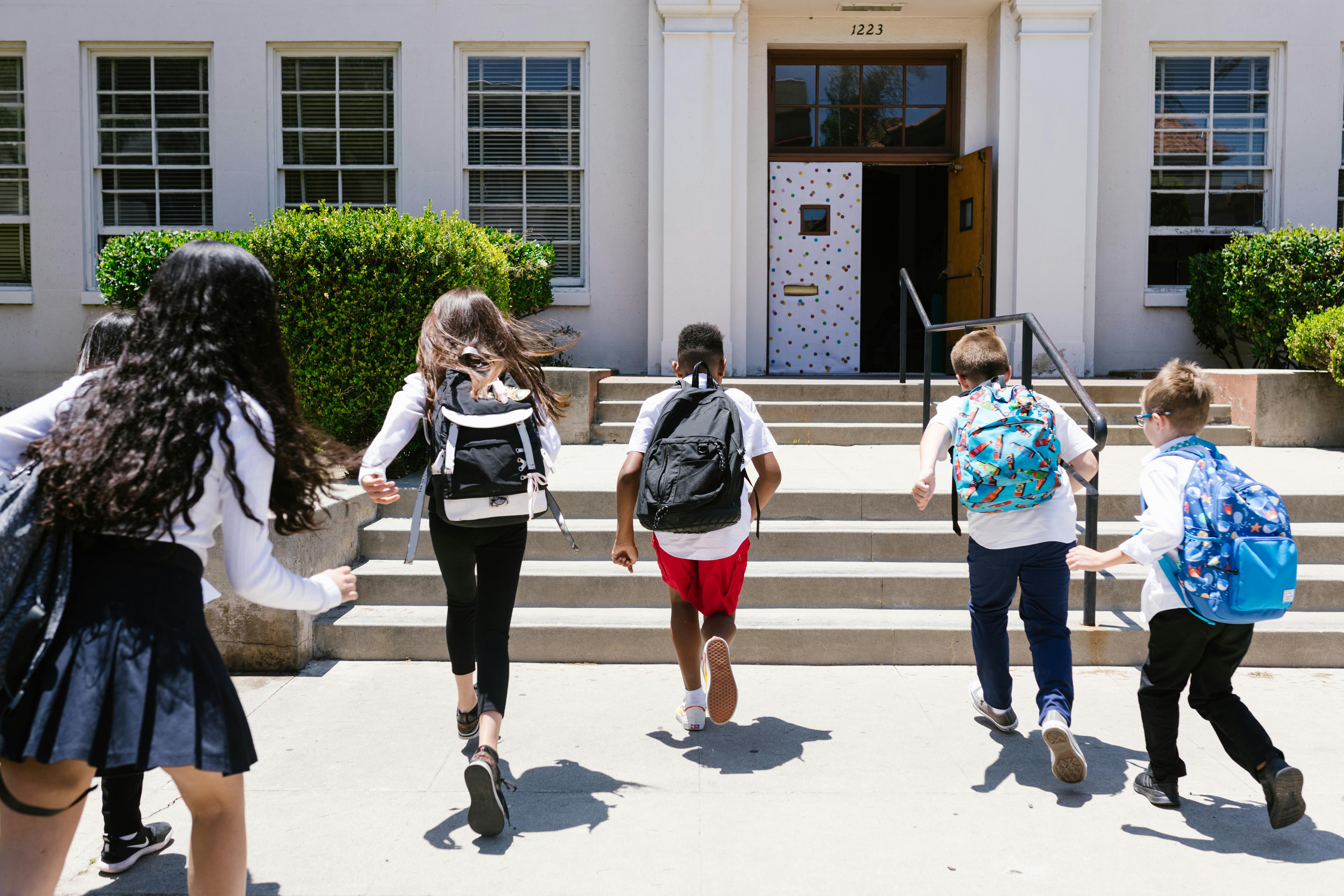
Dyslexia is a common learning difference that affects many students’ ability to read and process language. When it comes to education, finding the right middle school for a dyslexic child can be crucial to their academic and personal development. Middle schools that cater to dyslexics often employ specialized teaching strategies and resources to support these students, helping them to thrive in an academic environment tailored to their needs. This article explores the considerations and options available for parents seeking middle schools specialized in dyslexia support.
Understanding Dyslexia
Dyslexia is characterized by difficulties with accurate and/or fluent word recognition and by poor spelling and decoding abilities. These challenges are often unexpected in relation to other cognitive abilities. Understanding dyslexia is the first step in ensuring that students receive the appropriate educational support.
- Signs of dyslexia include difficulty with phonological processing, spelling, and rapid visual-verbal responding.
- Early diagnosis and intervention are crucial for effective management.
- Specialized instruction can help in developing reading skills and overcoming challenges.
What to Look for in a Middle School for Dyslexics
Choosing the right middle school for a child with dyslexia involves considering several factors. It’s important to ensure that the school provides an environment where dyslexic students can succeed and feel confident.
Specialized Curriculum and Support
- Look for schools that offer tailored educational programs focused on reading and writing skills.
- Ensure the presence of trained educators who specialize in teaching students with dyslexia.
- Explore advanced guides and tips on programs that integrate multi-sensory learning techniques.
Technology and Resources
- Check if the school employs assistive technologies that support reading and writing.
- Discover expert strategies here to understand the technological resources available.
- Evaluate the availability of digital tools that facilitate learning for dyslexic students.
Finding the Right Fit
Identifying the best-fit middle school involves visiting potential schools and asking the right questions. Engaging with educators and understanding the school’s approach to dyslexia can provide valuable insights.
Find out more about this approach to ensure that the school’s philosophy aligns with the child’s needs.
Questions to Consider
- What is the student-to-teacher ratio, and how does it benefit students with dyslexia?
- How is progress monitored and communicated to parents?
- Learn about our tailored solutions offered by the school for personalized learning plans.
Conclusion
Finding the right middle school for a child with dyslexia requires careful consideration of the school’s resources, teaching methodologies, and support systems. By understanding the needs of dyslexic students and exploring options that offer specialized programs, parents can make informed decisions that foster their child’s educational and personal growth. For more detailed information and guidance on selecting a suitable middle school, explore advanced guides and tips.