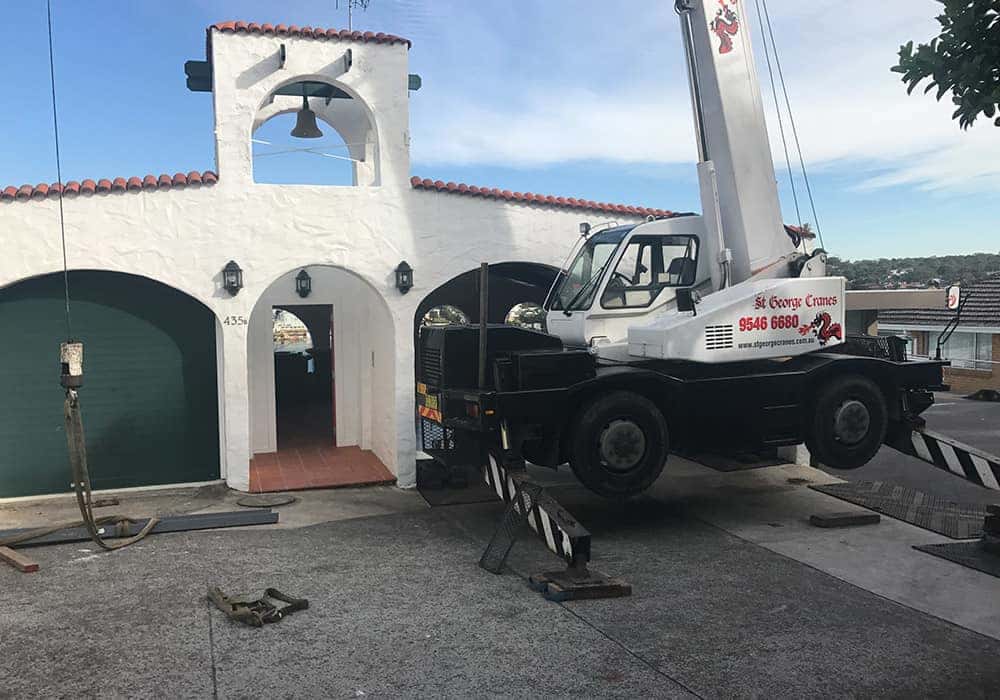
Operating cranes safely is paramount in the bustling construction environment of Sydney. With the city’s skyline constantly evolving, crane operators must adhere to stringent safety protocols to ensure both efficiency and safety. Mishandling these powerful machines can result in severe consequences, not only affecting construction timelines but also posing serious risks to workers and the surrounding community. To help mitigate such risks, it is crucial to understand the best practices and expert tips for crane operation.
Comprehensive Training and Certification
One of the fundamental pillars of safe crane operation is ensuring that all operators are thoroughly trained and certified. This includes understanding the specific type of crane they will be operating, as well as any unique challenges posed by the construction site in Sydney.
- Operators should undergo regular refresher courses to keep up-to-date with the latest safety standards and practices.
- It is essential to have a deep understanding of the crane’s operational manual and its safety features.
- Certification from a recognized body guarantees that the operator has met industry standards.
For more insights into these training programs, discover expert strategies here.
Conducting Thorough Site Analysis
Before any crane operation begins, it is imperative to conduct a detailed site analysis. This involves assessing the terrain and identifying potential hazards that could affect the crane’s stability.
- Identify and mark overhead power lines and other obstructions that could interfere with crane operations.
- Evaluate ground conditions to ensure the crane is positioned on stable and level ground to prevent tipping.
- Plan the lift path and ensure it is clear of obstacles and safe for all personnel involved.
Learn about our tailored solutions for site assessments by following this link.
Regular Maintenance Checks
Regular maintenance of cranes is non-negotiable for ensuring safety and operational efficiency. These checks can prevent potential failures and extend the lifespan of the machinery.
- Perform pre-operation inspections to check for any visible damage or wear and tear.
- Ensure all safety devices such as alarms and brakes are functioning correctly.
- Schedule routine maintenance and servicing by qualified professionals.
Explore advanced guides and tips for crane maintenance here.
Implementing Safety Protocols
Establishing and adhering to strict safety protocols is vital for minimizing risks during crane operations.
- Ensure all personnel are wearing appropriate personal protective equipment (PPE).
- Utilize spotters and communication devices to maintain clear lines of communication.
- Develop an emergency response plan and conduct regular drills.
Find out more about this approach to safety in crane operations here.
Understanding Load Dynamics
Operators must have a comprehensive understanding of load dynamics to safely manage lifting operations.
- Calculate load weight and ensure it does not exceed the crane’s capacity.
- Understand the effects of load swing and implement measures to control it.
- Use appropriate rigging techniques to secure the load effectively.
For more expert advice on load management, learn more about the techniques and tools available.
In conclusion, safe crane operation in Sydney requires a commitment to continuous learning and adherence to established safety standards. By focusing on comprehensive training, thorough site analysis, regular maintenance, strict safety protocols, and a deep understanding of load dynamics, operators can significantly reduce risks and contribute to successful construction projects. For those seeking further guidance, exploring available resources and expert strategies is highly recommended to stay at the forefront of crane operation safety.