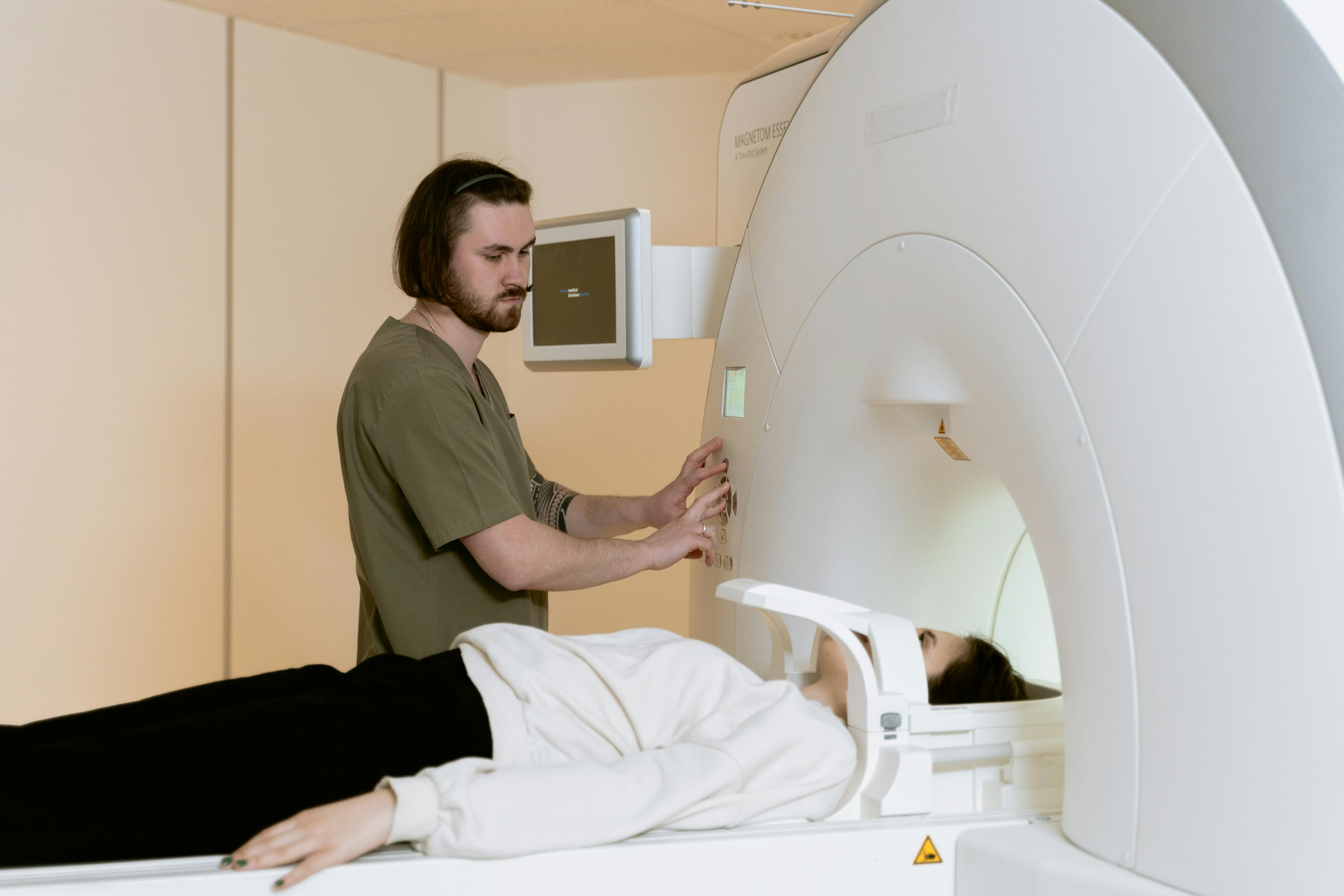
Nuclear medicine scans have become an integral part of modern healthcare, greatly enhancing the ability to diagnose, treat, and monitor a variety of conditions. These sophisticated imaging techniques provide detailed insights into the functional processes within the body, enabling healthcare professionals to make more accurate and timely decisions. By utilizing small amounts of radioactive materials, nuclear medicine scans offer a unique perspective that other imaging modalities may not provide, thus playing a crucial role in patient care.
Understanding Nuclear Medicine Scans
Nuclear medicine involves the application of radioactive substances to diagnose and treat diseases. Unlike traditional imaging methods, which capture images of anatomy and structure, nuclear medicine captures the biological activity within the body. This is particularly useful for:
- Identifying abnormalities in organs and tissues early in the disease process.
- Assessing the function of the heart, kidneys, thyroid, and other organs.
- Evaluating the spread of cancer to various parts of the body.
Understanding these capabilities can help in making informed decisions about patient management. Explore advanced guides and tips on the effective use of nuclear medicine here.
Applications in Patient Care
Cancer Diagnosis and Treatment
Nuclear medicine scans are invaluable in oncology for both diagnostic and therapeutic purposes. They assist in:
- Detecting tumors and determining their location and size.
- Monitoring the effectiveness of chemotherapy or radiation therapy.
- Identifying recurrence of cancer after treatment.
For those seeking to learn about our tailored solutions in cancer care, nuclear medicine scans provide a comprehensive approach to managing and treating cancer.
Cardiac Imaging
Cardiac nuclear imaging is a critical tool in evaluating heart health. It can help in:
- Assessing blood flow to the heart muscle.
- Determining the extent of damage after a heart attack.
- Evaluating the success of cardiac procedures such as bypass surgery.
Discover expert strategies here to enhance cardiac care through nuclear medicine scans.
Neurological Applications
In neurology, nuclear medicine plays a pivotal role in the diagnosis and management of brain disorders, including:
- Detecting and monitoring Alzheimer’s disease and other dementias.
- Localizing epileptic foci before surgery.
- Assessing brain function in various psychiatric conditions.
Find out more about this approach to neurological care by exploring available resources here.
Benefits of Nuclear Medicine in Enhancing Patient Care
The integration of nuclear medicine into patient care provides numerous benefits, including:
- Non-invasive and highly accurate diagnostic capabilities.
- Early detection of disease, leading to better outcomes.
- Personalized treatment plans based on precise functional imaging.
The use of advanced nuclear medicine techniques fosters a deeper understanding of disease processes, ultimately improving patient care and outcomes.
Conclusion
Nuclear medicine scans represent a significant advancement in medical imaging, offering unparalleled insights into the physiological processes of the body. By providing critical information that is not accessible through other imaging modalities, nuclear medicine significantly enhances the ability of healthcare providers to deliver high-quality patient care. As technology continues to evolve, the role of nuclear medicine in healthcare will undoubtedly expand, further contributing to the improvement of patient outcomes and the advancement of medical science.