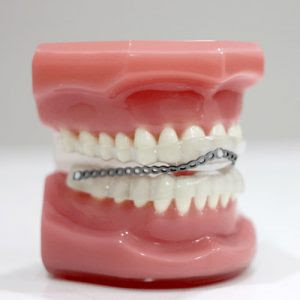
Sleep apnea is a prevalent sleep disorder marked by interruptions in breathing during sleep, leading to poor sleep quality and numerous health complications. While Continuous Positive Airway Pressure (CPAP) therapy has been a traditional treatment, many individuals find it uncomfortable. As an alternative, oral appliance therapy has emerged as an effective solution, offering a more comfortable and convenient approach to managing sleep apnea. This article delves into the benefits, mechanisms, and considerations of oral appliance therapy, providing essential insights for those seeking better sleep solutions.
Understanding Oral Appliance Therapy
Oral appliance therapy involves the use of a custom-fitted device worn in the mouth during sleep. This appliance helps maintain an open airway by repositioning the lower jaw, tongue, or soft palate. It is particularly beneficial for individuals with mild to moderate obstructive sleep apnea (OSA).
Benefits of Oral Appliance Therapy
- Comfort and Convenience: Unlike CPAP machines, oral appliances are compact, easy to wear, and require no electricity, making them ideal for travel.
- Improved Compliance: Many users prefer oral appliances due to their non-intrusive nature, leading to higher compliance rates.
- Custom Fit: These devices are tailored to fit the individual’s mouth, enhancing comfort and effectiveness.
For those interested in exploring this treatment, find out more about this approach and how it can be customized to meet specific needs.
How Oral Appliances Work
The fundamental principle of oral appliance therapy is to prevent the collapse of the airway during sleep. This is achieved through:
- Jaw Repositioning: The appliance holds the lower jaw slightly forward, keeping the airway open.
- Tongue Stabilization: Some devices include components that hold the tongue in place, preventing it from obstructing the airway.
- Soft Palate Support: By supporting the soft tissues at the back of the throat, the device reduces the risk of airway collapse.
To learn about tailored solutions that specifically target your sleep apnea symptoms, explore advanced guides and tips on effective oral appliances.
Who Can Benefit from Oral Appliance Therapy?
Oral appliance therapy is suitable for:
- Individuals with mild to moderate obstructive sleep apnea.
- Patients who cannot tolerate CPAP therapy.
- Frequent travelers or individuals seeking a portable solution.
However, it’s crucial to consult with a healthcare provider to determine the best treatment plan. Discover expert strategies here for optimizing sleep health through personalized care.
Considerations and Next Steps
When considering oral appliance therapy, keep the following in mind:
- Professional Evaluation: A thorough assessment by a sleep specialist is necessary to ensure the appliance is suitable.
- Customization: The device must be custom-made and adjusted as needed for maximum effectiveness.
- Follow-Up Care: Regular monitoring and adjustments by a dental professional can enhance the therapy’s success.
For those ready to take the next step, learn about our tailored solutions designed to provide optimal comfort and effectiveness in managing sleep apnea.
In conclusion, oral appliance therapy offers a viable alternative to traditional sleep apnea treatments, focusing on comfort and compliance. By choosing a custom-fitted device, individuals can significantly improve their sleep quality and overall health. For further information and personalized guidance, consider reaching out to sleep health professionals who specialize in this advanced treatment approach.