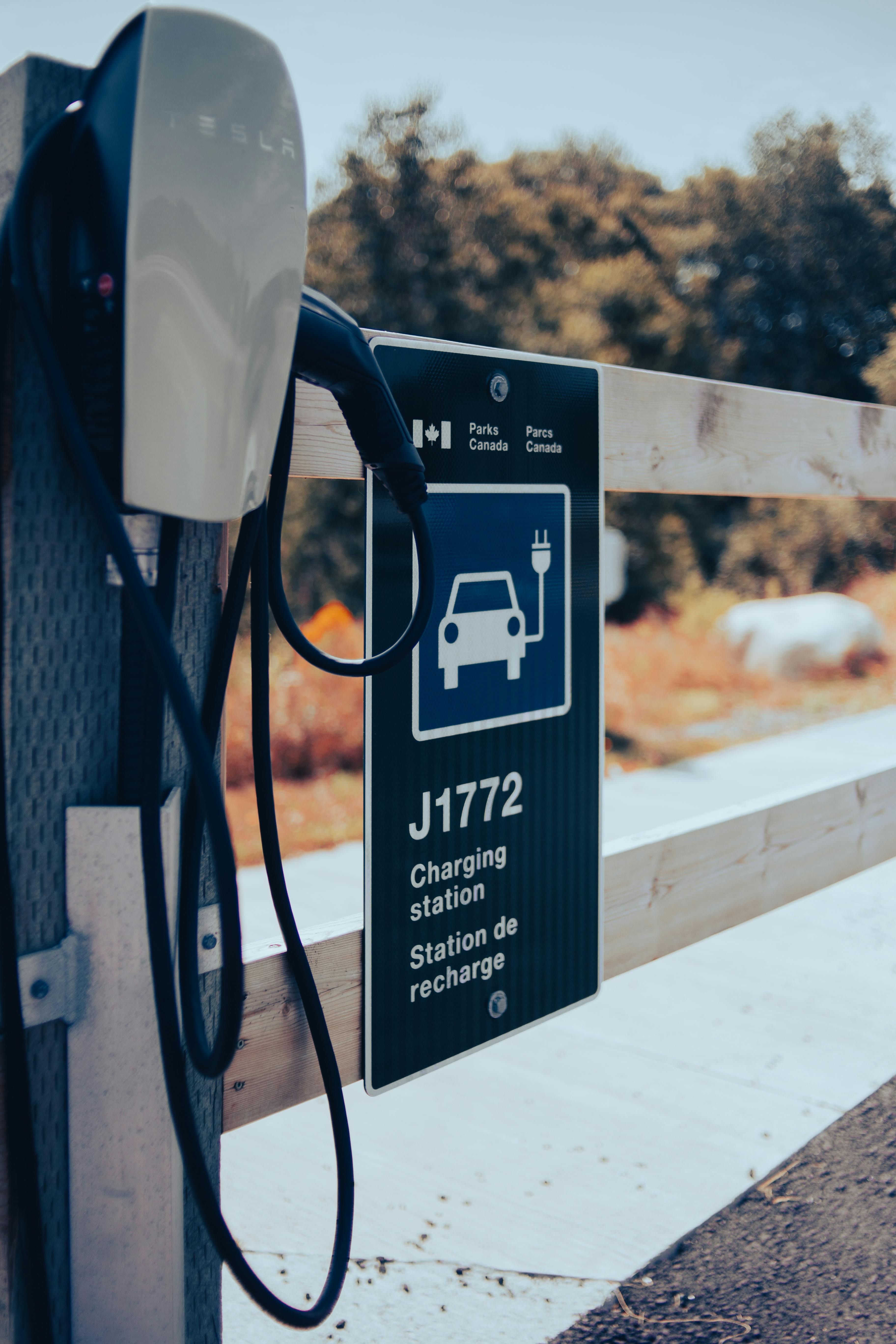
As the world moves towards more sustainable modes of transportation, the demand for an extensive and reliable global charging network becomes increasingly essential. Electric vehicles (EVs) are not just a trend but a crucial component of future mobility solutions. However, the widespread adoption of EVs hinges on the availability of efficient and accessible charging infrastructure. This article explores the key components and strategies necessary to build a robust global charging network that supports sustainable transportation.
Importance of a Global Charging Network
A global charging network is vital for the seamless integration of electric vehicles into daily life. Here are some key reasons why it is crucial:
- Reduces Range Anxiety: A widespread network alleviates concerns about running out of charge during travel.
- Encourages EV Adoption: Accessible charging infrastructure is a major factor in the decision to purchase an electric vehicle.
- Supports Urban and Rural Areas: Ensures equitable access to charging facilities irrespective of location.
To dive deeper into the importance of establishing a global charging network, read more about this topic.
Challenges in Building a Global Charging Network
Infrastructure Development
Developing the physical infrastructure involves significant investment and planning. This includes:
- Site Selection: Strategically choosing locations that maximize accessibility and convenience for users.
- Grid Compatibility: Ensuring that charging stations are compatible with local electrical grids.
- Maintenance and Upkeep: Regular maintenance to prevent downtime and ensure reliability.
Standardization
Lack of standardization in charging equipment can lead to compatibility issues. It is crucial to establish:
- Universal Connectors: Adoption of charging connectors that are compatible with all EV brands.
- Interoperable Systems: Systems that allow seamless access and payment across different networks.
For a comprehensive understanding of these challenges, learn more in this detailed guide.
Strategies for Effective Implementation
Public and Private Partnerships
Collaborations between governments and private enterprises can expedite the development of charging networks. Key strategies include:
- Incentives: Offering tax breaks or subsidies to companies that invest in charging infrastructure.
- Policy Frameworks: Implementing policies that support sustainable transportation goals.
Technological Innovations
Leveraging technology can enhance the efficiency and user experience of charging networks. Considerations include:
- Smart Charging Solutions: Integrating software that optimizes charging schedules and reduces energy costs.
- Renewable Energy Integration: Using solar or wind energy sources to power charging stations.
Explore further insights here on how technology is shaping charging networks.
The Future of Sustainable Transportation
The future of transportation is undeniably electric, and a reliable global charging network is at the heart of this transition. By addressing the challenges and implementing strategic solutions, the world can move closer to achieving sustainable transportation. For more on how these efforts are unfolding globally, find additional information here.