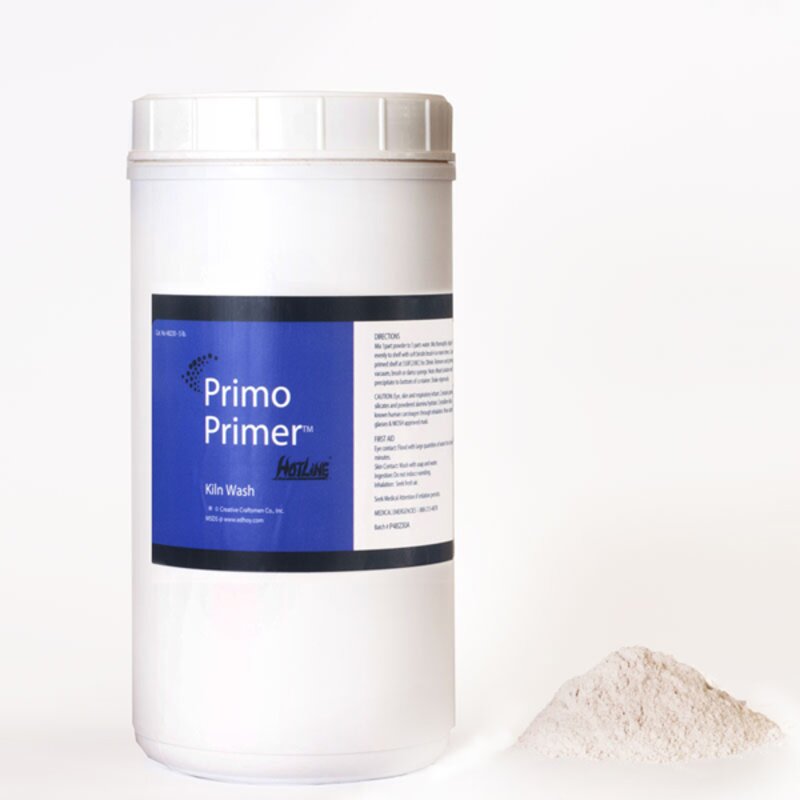
Glass art is a field that combines creativity with science, requiring both artistic vision and technical knowledge. One critical element often overlooked by beginners is the use of kiln wash?a protective coating that plays a vital role in the glass fusing process. Understanding kiln wash can enhance the quality of the finished product and preserve the longevity of kiln shelves. It’s essential for glass artists to grasp the purpose and application of kiln wash to ensure successful and sustainable art creation.
What is Kiln Wash?
Kiln wash is a refractory material used to coat the shelves of a kiln. It acts as a protective barrier between the glass and the shelf, preventing melted glass from sticking during the heating process. This protective layer is crucial for maintaining the integrity of both the glass pieces and the kiln equipment.
Benefits of Using Kiln Wash
Implementing kiln wash in the glass-making process provides several advantages:
- **Prevents Sticking**: Kiln wash ensures that glass does not adhere to kiln shelves, which can cause damage to both the artwork and the equipment.
- **Cost-Effective**: By protecting kiln shelves from glass adhesion, kiln wash helps avoid costly repairs and replacements.
- **Enhances Artwork Quality**: Using kiln wash contributes to a smoother finish on the underside of glass pieces, improving the overall quality of the art.
For a deeper understanding of how kiln wash can transform your glass art practices, explore advanced guides and tips on its application and benefits.
Application Techniques
Preparing the Kiln Shelf
Before applying kiln wash, it’s essential to prepare the kiln shelf properly:
- **Clean the Shelf**: Ensure the shelf is free of any debris or old kiln wash. A clean surface ensures a smooth application.
- **Mix the Kiln Wash**: Follow the manufacturer’s instructions for mixing kiln wash to achieve the right consistency.
Applying the Kiln Wash
Applying kiln wash correctly is crucial for its effectiveness:
- **Use a Brush**: A soft bristle brush works best for even application.
- **Apply Even Coats**: Apply two to three thin, even coats, allowing each layer to dry between applications.
- **Dry Thoroughly**: Ensure the kiln wash is completely dry before placing any glass in the kiln.
For more detailed techniques and strategies, discover expert strategies here.
Common Mistakes and How to Avoid Them
Understanding common pitfalls in kiln wash application can save time and resources:
- **Overapplication**: Applying too thick a layer can lead to cracking and uneven surfaces. Stick to thin, even coats.
- **Inadequate Drying**: Firing a kiln with wet kiln wash can cause it to bubble and adhere poorly. Ensure thorough drying.
- **Skipping Maintenance**: Regularly check and refresh kiln wash to maintain its protective qualities.
Learn about our tailored solutions to prevent these common issues and maintain the quality of your glass art.
Conclusion
Kiln wash is an indispensable tool in the glass artist’s repertoire, offering protection and enhancing the quality of the finished product. By understanding its benefits, proper application techniques, and common mistakes, artists can optimize their creative process and prolong the life of their kiln shelves. For those looking to refine their skills and knowledge, find out more about this approach to ensure beautiful and lasting glass art creations.