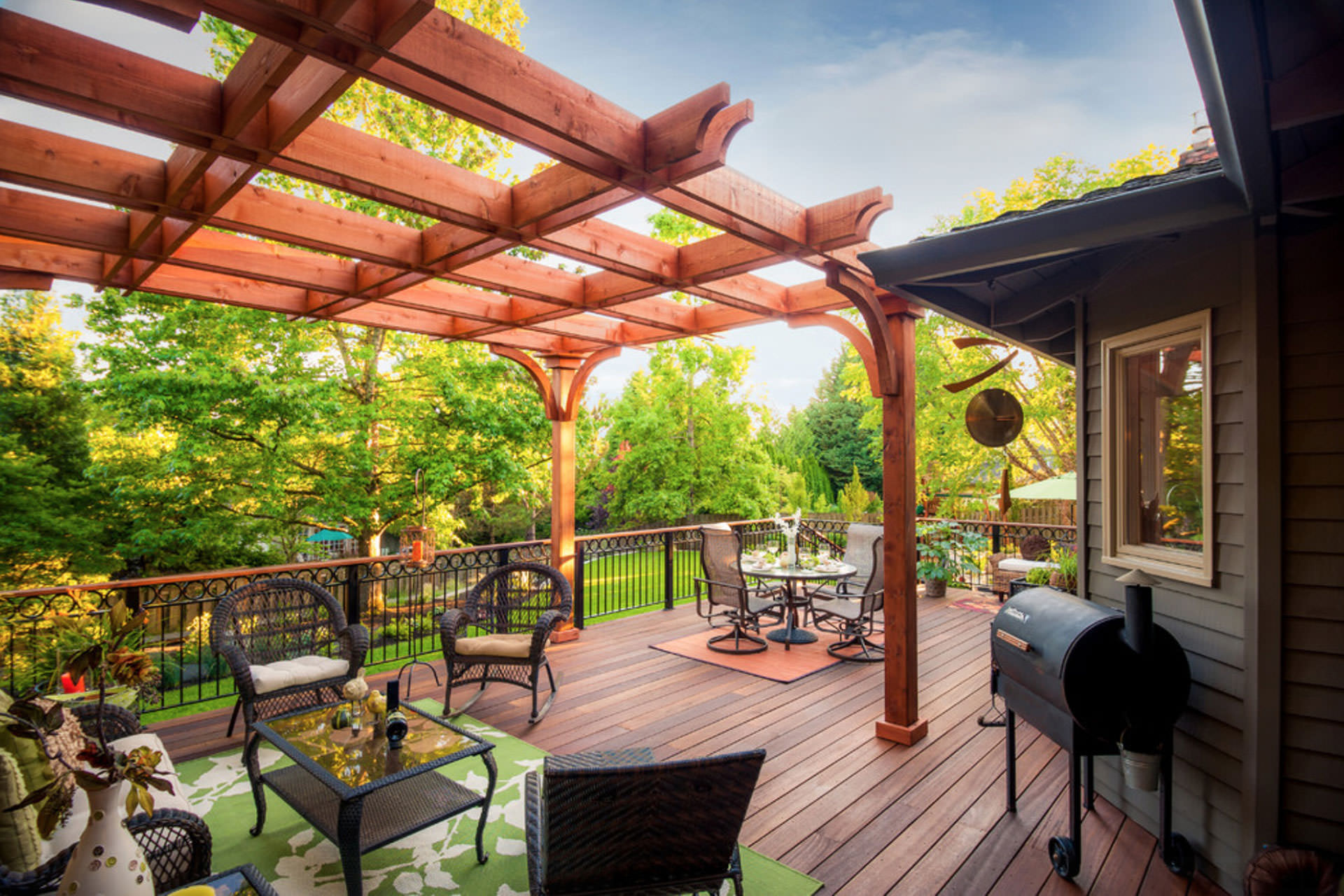
Creating an outdoor structure that stands the test of time while demanding minimal upkeep is a balance of smart design, quality materials, and thoughtful construction techniques. Whether the goal is a pergola, gazebo, or a custom pavilion, the principles that ensure durability and low-maintenance remain consistent. This guide outlines practical tips that professionals use to deliver resilient, beautiful outdoor spaces that owners can enjoy year after year without constant repairs or extensive cleaning.
Choose the Right Materials for Longevity
Material selection is the foundation of a durable outdoor structure. Each option offers distinct benefits and considerations:
- Aluminum: Lightweight, rust-proof, and requires no painting. Ideal for regions with high humidity or coastal exposure.
- Galvanized Steel: Stronger than aluminum and highly resistant to corrosion when properly coated. Best for larger spans where structural strength is critical.
- Pressure-Treated Wood: Offers a natural aesthetic and can be treated to resist rot and insects. Regular sealing extends its life.
- Composite Materials: Combine wood fibers with polymers, delivering the look of wood with superior moisture resistance.
For detailed guidance on material performance and selection, Discover expert strategies here.
Design Features That Reduce Maintenance
Proper Drainage and Water Management
Standing water accelerates rot, rust, and mold growth. Incorporate these design elements:
- Sloped roofing or angled pergola beams to direct water away.
- Integrated gutters and downspouts that channel runoff to a drainage system.
- Permeable decking or raised floor panels that allow airflow beneath the structure.
Protective Finishes and Coatings
Even the toughest materials benefit from a protective layer:
- Powder-coat finishes on metal protect against UV degradation and scratches.
- Marine-grade paints for steel structures add an extra barrier against salt spray.
- Water-repellent sealants on wood or composite surfaces prevent moisture absorption.
Learning about the best coating options can streamline future upkeep. Learn about our tailored solutions.
Construction Techniques That Enhance Durability
- Precision Joinery: Use hidden fasteners, stainless-steel bolts, and reinforced brackets to minimize stress points.
- Thermal Expansion Gaps: Allow for material movement in hot climates to avoid warping or cracking.
- Secure Foundations: Concrete footings or anchored posts prevent shifting caused by wind or soil movement.
- Modular Design: Prefabricated components simplify installation and ensure consistent quality.
Maintenance-Friendly Landscaping Integration
Thoughtful site planning reduces the workload on the structure itself:
- Plant low-maintenance, drought-tolerant shrubs at a distance to avoid debris accumulation.
- Use gravel or permeable pavers around the perimeter for easy cleaning.
- Incorporate built-in lighting with sealed fixtures to avoid water ingress.
Regular Inspection Checklist
Even low-maintenance designs benefit from periodic reviews. A simple quarterly checklist can catch issues early:
- Check for rust spots, loose bolts, or cracked sealant.
- Inspect roof panels for warping or missing fasteners.
- Clear gutters and downspouts of leaves and debris.
- Verify that drainage paths remain unobstructed.
Choosing a Reputable Builder
Partnering with an experienced builder ensures that design intent translates into a lasting product. Look for professionals who:
- Provide detailed material specifications and warranty information.
- Demonstrate a portfolio of weather-resistant installations.
- Offer post-construction support and maintenance guidelines.
For a deeper dive into what makes a builder reliable, Explore advanced guides and tips.
Conclusion
Durable, low-maintenance outdoor structures are achievable through strategic material choices, thoughtful design, precise construction, and ongoing care. By integrating effective drainage, protective finishes, and robust joinery, the finished space will remain functional and attractive for years to come. When the project is handed off to a skilled builder who follows these best practices, homeowners can enjoy their outdoor oasis with confidence that the structure will endure the elements and require only minimal attention.