Concrete has long been celebrated for its durability and versatility in construction. However, modern architectural designs demand more than mere functionality; they seek beauty, creativity, and uniqueness. This is where formliner patterns come into play, revolutionizing the visual appeal of concrete structures. By offering a plethora of design options, formliners enable architects and designers to imprint intricate textures and patterns onto concrete surfaces, transforming plain slabs into works of art. This article delves into the fascinating world of formliner patterns in concrete design, exploring their benefits, applications, and the artistic possibilities they present.
Understanding Formliner Patterns
Formliner patterns are molds or templates used to impart textures and patterns onto concrete surfaces during the casting process. They are typically made from materials such as elastomeric urethane, which ensures flexibility and durability. Using formliner patterns, designers can create a wide range of surface aesthetics, from natural stone and brick to abstract geometric designs. This flexibility allows for significant customization, enhancing both the aesthetic appeal and functional performance of concrete structures.
Types of Formliner Patterns
- Stone Patterns: Mimicking the look of natural stones such as granite, limestone, or slate, these patterns offer a timeless and organic feel to concrete surfaces.
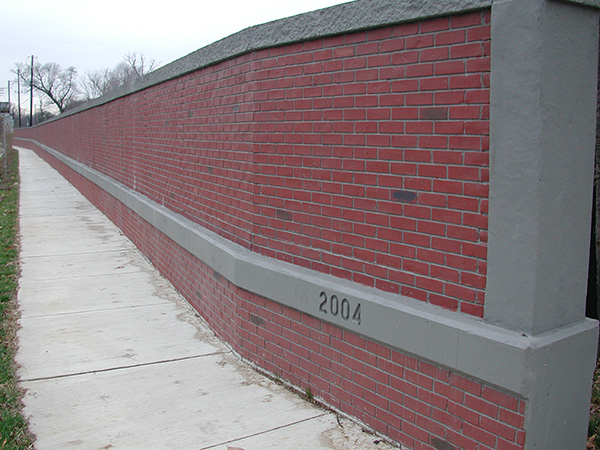
- Brick Patterns: Offering a classic and rustic appearance, brick patterns can be used to emulate traditional masonry.
- Wood Grain Patterns: These patterns replicate the texture of wood, providing a warm and inviting look without the maintenance issues associated with timber.
- Abstract and Geometric Patterns: For a modern and artistic touch, abstract and geometric patterns can be used to create striking visual effects.
The Benefits of Using Concrete Form Liner Patterns
The incorporation of concrete form liner patterns in design projects offers numerous benefits that appeal to architects, engineers, and clients alike. Some of these advantages include:
- Enhanced Aesthetic Appeal: Formliner patterns allow for creative expression, transforming ordinary concrete into visually compelling surfaces.
- Cost-Effectiveness: Achieving a high-end look with formliners is often more economical than using natural materials.
- Durability and Longevity: Concrete surfaces with imprinted patterns require minimal maintenance and are resistant to weathering and wear.
- Customization Options: With endless design possibilities, formliner patterns can be customized to meet specific project requirements.
- Eco-Friendly Solutions: Some patterns can help reduce the urban heat island effect by reflecting sunlight, promoting sustainability.
Applications of Formliner Patterns
Formliner patterns are used in a broad range of applications, demonstrating their adaptability in different environments and contexts. Some common applications include:
- Architectural Facades: Enhance the exterior of buildings with textured concrete facades that stand out.
- Sound Barrier Walls: Incorporate patterns that not only improve the aesthetic but also contribute to the wall’s acoustic properties.
- Bridges and Tunnels: Add visual appeal to infrastructure projects, making them more harmonious with their surroundings.
- Retaining Walls: Use formliner patterns to create visually pleasing retaining walls that blend with the landscape.
The Future of Concrete Design with Formliner Patterns
As the demand for innovative and sustainable construction solutions grows, the role of formliner patterns in concrete design is set to expand. With advancements in technology and materials, the potential for creating even more intricate and durable patterns is limitless. Designers and architects are increasingly turning to formliner patterns for their ability to combine form, function, and aesthetics in a single solution. As the industry continues to evolve, the use of these patterns will undoubtedly play a crucial role in shaping the future of urban landscapes.