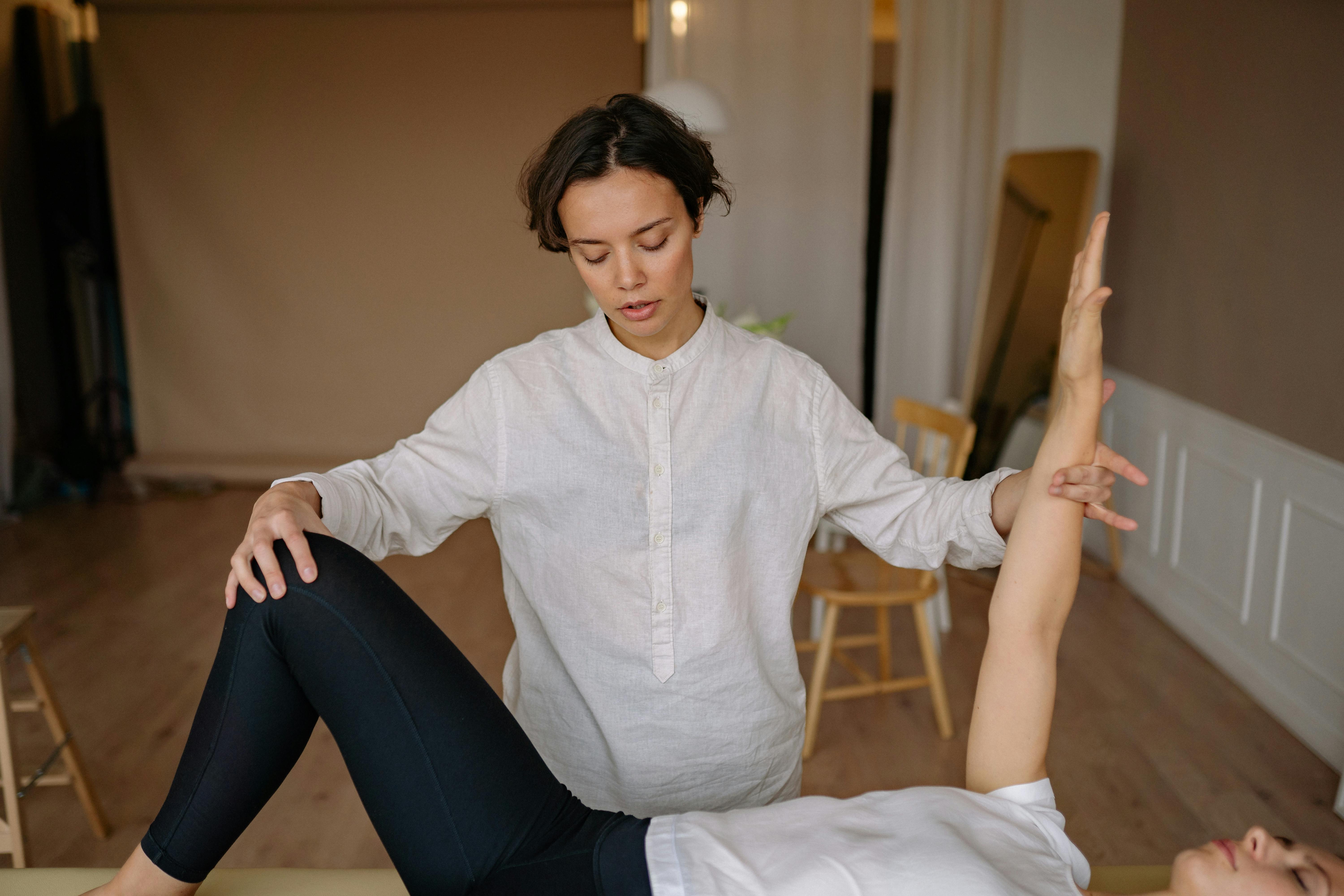
In Ottawa, sports enthusiasts and athletes alike understand the importance of maintaining peak physical condition. However, injuries can occur, disrupting athletic performance and everyday activities. Effective rehabilitation is crucial for a speedy and complete recovery, allowing individuals to return to their sport or daily life with confidence. The process of sports injury rehabilitation involves various strategies and techniques that are tailored to the individual’s needs, ensuring optimal recovery and performance.
Understanding Sports Injuries
Sports injuries can vary significantly in type and severity. Common injuries include:
- Sprains and strains
- Fractures
- Dislocations
- Tendonitis
- Concussions
Each type of injury requires a unique approach for effective healing and rehabilitation. Understanding the nature of the injury is the first step towards recovery.
Key Components of Effective Rehabilitation
Assessment and Diagnosis
A thorough assessment and accurate diagnosis are critical for developing an effective rehabilitation plan. This process often involves:
- Detailed patient history
- Physical examinations
- Imaging studies (such as X-rays or MRIs)
Discover expert strategies here to ensure precise assessment and diagnosis.
Personalized Treatment Plans
Effective rehabilitation plans are personalized to address the specific needs of the injury and the individual. Key elements include:
- Setting realistic and achievable goals
- Incorporating a variety of treatment modalities
- Regularly updating the plan based on progress
Learn about tailored solutions here that adapt to changing recovery needs.
Physical Therapy and Exercise
Physical therapy plays a pivotal role in sports injury rehabilitation. It focuses on restoring strength, flexibility, and function. Effective therapy includes:
- Strengthening exercises
- Flexibility and stretching routines
- Balance and coordination activities
Explore advanced guides and tips here for incorporating these exercises into rehabilitation plans.
Role of Technology in Rehabilitation
Modern advancements have introduced technologies that enhance rehabilitation outcomes. These include:
- Biomechanical analysis tools
- Virtual reality for movement training
- Wearable devices for monitoring progress
Find out more about this approach here to understand how technology can enhance recovery.
Preventing Future Injuries
Effective rehabilitation not only focuses on recovery but also aims to prevent future injuries. Essential strategies include:
- Education on proper techniques and biomechanics
- Developing personalized injury prevention programs
- Promoting overall health and wellness
Find out more about this approach here to ensure long-term health and injury prevention.
In conclusion, effective sports injury rehabilitation in Ottawa combines expert assessment, personalized treatment plans, and the integration of modern technology to ensure optimal recovery and injury prevention. For those seeking comprehensive rehabilitation strategies, exploring resources and expert guidance can make a significant difference in achieving successful outcomes.