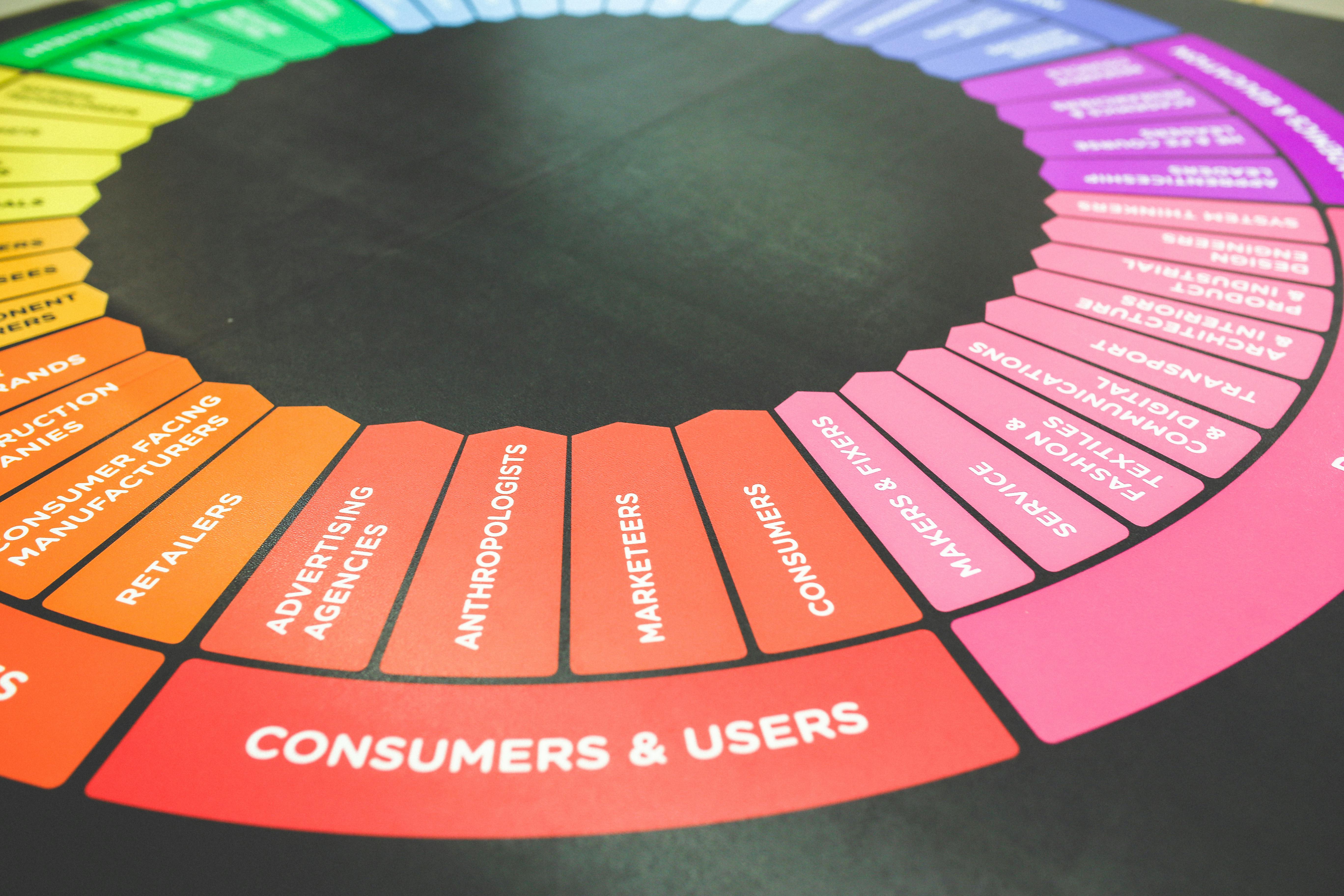
Understanding consumer behavior is a pivotal aspect of strategic business success. It delves into the intricate psychological patterns that dictate how individuals make purchasing decisions. In today?s rapidly evolving market, businesses that can decipher these patterns gain a competitive edge, allowing them to tailor their products and services to meet the nuanced needs of their clientele. By leveraging consumer insights, companies can anticipate market trends and respond effectively, ensuring they remain at the forefront of consumer demand.
What is Consumer Behavior Research?
Consumer behavior research encompasses a variety of methodologies aimed at understanding the decision-making processes of buyers. It involves the study of how individuals or groups select, purchase, use, or dispose of products, services, ideas, or experiences. The research focuses on the psychological, social, and economic factors that influence these decisions.
Key Components of Consumer Behavior Research
- Psychological Factors: These include perceptions, beliefs, attitudes, and motivations that influence consumer decisions.
- Social Factors: Family, friends, social networks, and cultural norms can significantly impact purchasing behavior.
- Economic Factors: Consumers? purchasing power and economic conditions play a critical role in their buying choices.
- Personal Factors: These encompass age, occupation, lifestyle, and personality traits that affect consumer preferences.
The Importance of Consumer Behavior Research
Incorporating consumer behavior research into business strategies can transform the way companies engage with their customers. It provides a deeper understanding of what drives consumer choices, enabling businesses to create more personalized and effective marketing strategies.
Benefits of Understanding Consumer Behavior
- Enhanced Product Development: By understanding what consumers need, businesses can design products that better meet customer expectations.
- Improved Customer Satisfaction: Tailoring services and products to match consumer preferences leads to higher satisfaction and loyalty.
- Targeted Marketing Campaigns: Consumer insights help in designing marketing campaigns that resonate with the target audience.
- Competitive Advantage: Knowledge of consumer behavior provides businesses with a strategic advantage over competitors.
Methods Used in Consumer Behavior Research
Various research methods are employed to gather data about consumer behavior. These include surveys, focus groups, observational studies, and customer experience research. Each method provides unique insights into consumer preferences and behaviors.
Popular Research Techniques
- Surveys: Quantitative data collection through structured questionnaires helps in identifying trends and patterns.
- Focus Groups: Qualitative insights are gathered through discussions with a small group of consumers.
- Observational Studies: Observing consumers in real-life settings to understand their purchasing habits.
- Experimental Research: Testing hypotheses in controlled environments to study consumer reactions.
Integrating Consumer Behavior Insights into Strategy
Implementing the findings from consumer behavior studies can notably enhance business strategies. By utilizing jobs to be done consulting and jobs to be done research, companies can identify the specific tasks consumers aim to accomplish with their products or services. This approach not only aids in product development but also in crafting compelling value propositions that resonate with consumer needs.
In conclusion, understanding consumer behavior is not just about knowing what consumers buy, but also why they buy it. By diving deep into consumer psychology and behavior, businesses can create more meaningful and lasting connections with their customers, ultimately driving growth and success in a competitive marketplace.