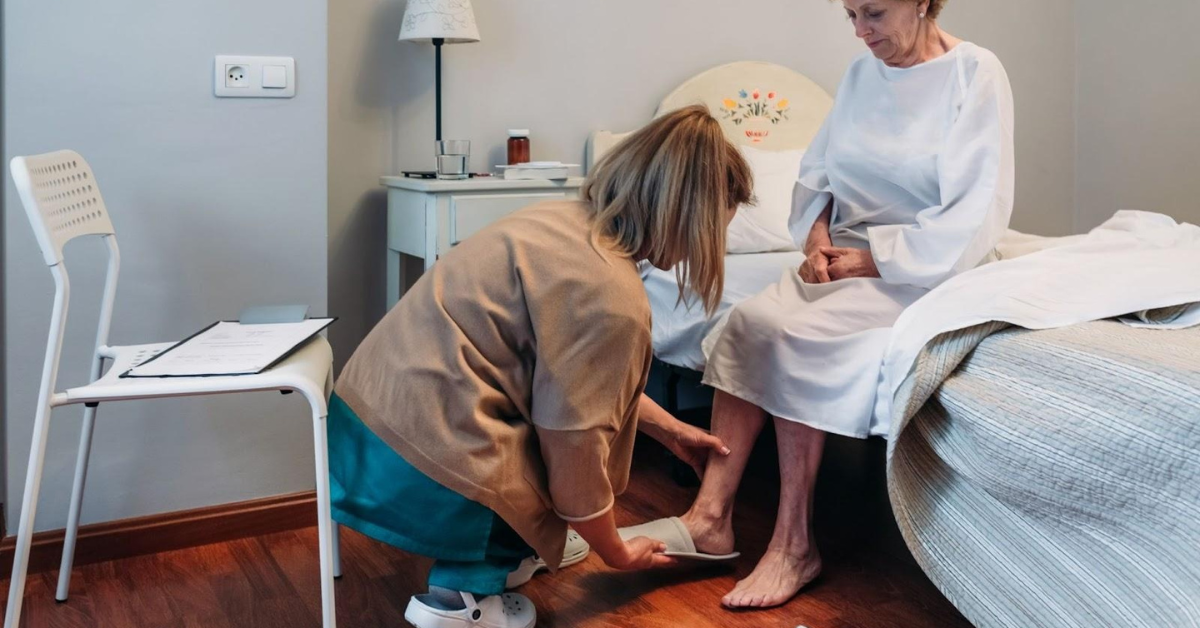
As the population ages and healthcare needs become more complex, in-home nursing has emerged as a crucial component of personalized medical care. This service provides individuals with medical support within the comfort of their own homes, ensuring a high level of convenience and care continuity. In-home nursing not only supports patients’ medical needs but also fosters an environment that promotes healing and well-being.
The Essence of In-Home Nursing
In-home nursing involves providing a range of healthcare services in a patient’s home rather than a hospital or clinic setting. This approach is particularly beneficial for those with chronic illnesses, disabilities, or age-related conditions. It allows for tailored care plans that cater to the specific needs of the patient, promoting better health outcomes.
Benefits of In-Home Nursing
- Personalized Care: In-home nursing offers care that is specifically designed to meet the individual needs of the patient, ensuring a personalized approach.
- Comfort and Convenience: Receiving care at home allows patients to stay in familiar surroundings, which can enhance comfort and reduce stress.
- Cost-Effective: In many cases, in-home care can be more affordable than hospital stays or nursing facilities.
- Family Involvement: Family members can be more involved in the care process, providing support and ensuring the patient receives comprehensive care.
For more insights into the benefits of in-home nursing, explore further insights here.
Types of Services Offered
In-home nursing services can vary widely depending on the patient’s needs. Here are some common services provided:
- Skilled Nursing Care: This includes medical treatments such as wound care, IV therapy, and administering medications.
- Rehabilitation Services: Physical, occupational, and speech therapy can be administered to aid recovery and improve functionality.
- Chronic Disease Management: Nurses assist in managing conditions such as diabetes, heart disease, and respiratory disorders through monitoring and education.
- Post-Surgical Care: Support for patients recovering from surgery, including pain management and rehabilitation exercises.
To learn more about the variety of services offered, read more about this topic.
Choosing the Right In-Home Nursing Services
Selecting the right in-home nursing service is crucial for ensuring quality care. Here are some factors to consider:
Assessing Qualifications and Experience
- Verify the credentials and experience of the nursing staff to ensure they are qualified to provide the necessary care.
- Look for professionals who have experience in handling cases similar to the patient’s condition.
Find additional information here on evaluating the qualifications of in-home nursing providers.
Understanding Care Plans
- Discuss the care plan in detail to ensure it aligns with the patient?s health goals and requirements.
- Ensure the plan is flexible and can be adjusted as the patient’s condition changes.
For a detailed guide on choosing in-home nursing services, learn more in this detailed guide.
The Future of In-Home Nursing
The future of healthcare is rapidly evolving, with in-home nursing playing an increasingly pivotal role. Technological advancements are enhancing the capabilities of in-home care, allowing for remote monitoring, telehealth consultations, and more personalized treatment plans. This evolution is set to make healthcare more accessible and efficient, providing patients with high-quality care at home. Understanding the potential and development of in-home nursing can help in making informed decisions about care options.
For further insights into the future of in-home nursing, explore further insights here.