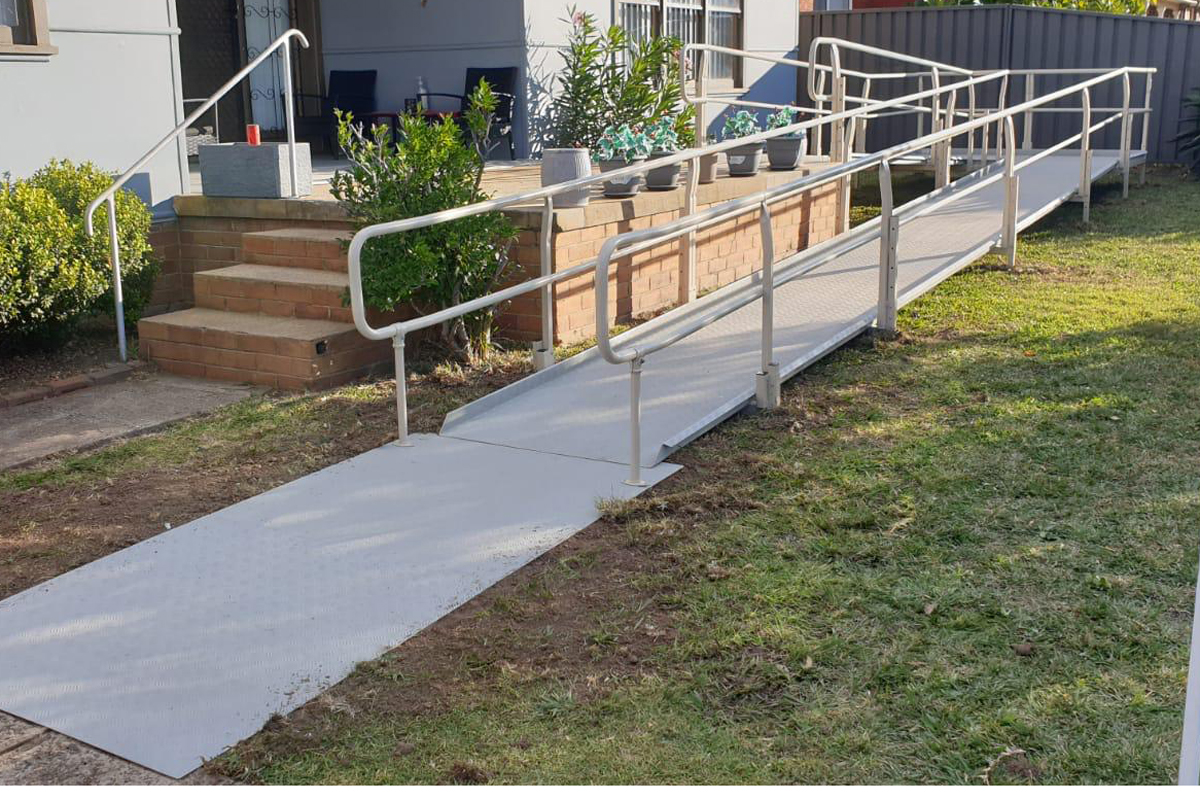
In today’s world, ensuring accessibility and convenience in daily living is more important than ever. Modular ramps have emerged as a pivotal solution, providing a flexible and customizable approach to enhance mobility in both residential and commercial settings. These ramps not only facilitate easy access for individuals with mobility challenges but also contribute significantly to creating inclusive environments. As the need for adaptable and efficient accessibility solutions grows, modular ramps stand out for their versatility and effectiveness.
Understanding Modular Ramps
Modular ramps are designed to provide seamless accessibility by allowing for multiple configurations and adjustments. These ramps are constructed using high-quality materials, ensuring durability and stability across various applications. The key features of modular ramps include:
- Customizable lengths and widths to suit different spaces and needs.
- Easy installation and reconfiguration, minimizing disruption.
- Non-slip surfaces to enhance safety in all weather conditions.
- Compliance with accessibility standards and regulations.
For a deeper understanding of how these features can be tailored to specific needs, learn about our tailored solutions.
Benefits of Modular Ramps
Modular ramps offer several benefits that make them an attractive option for enhancing accessibility:
- Adaptability: Modular ramps can be easily adjusted or expanded to accommodate changing needs or environments.
- Cost-Effectiveness: Their modular nature allows for installation without the need for extensive construction, reducing costs.
- Portability: These ramps can be relocated as needed, making them ideal for temporary or leased spaces.
- Environmental Impact: Many modular ramps are made from recyclable materials, contributing to sustainable living practices.
Discover expert strategies here to make the most out of modular ramp solutions.
Applications of Modular Ramps
Modular ramps serve a wide range of applications, ensuring accessibility across different settings:
Residential Spaces
In homes, modular ramps provide individuals with mobility challenges the freedom to navigate their living spaces with ease. They can be used at entrances, patios, and even garden areas, making everyday activities more accessible. Find out more about this approach to enhancing residential accessibility.
Commercial Settings
Businesses and public facilities utilize modular ramps to comply with accessibility regulations and to ensure customer inclusivity. These ramps can be customized to fit entrances, exits, and even temporary setups for events. Explore advanced guides and tips for implementing modular ramps in commercial spaces.
Choosing the Right Modular Ramp
Selecting the appropriate modular ramp involves considering various factors such as the user’s specific needs, the environment, and the anticipated traffic load. It is crucial to choose a ramp that not only meets the functional requirements but also integrates seamlessly with the existing aesthetics of the space.
Consulting with professionals can provide valuable insights into making an informed decision, ensuring the chosen ramp delivers optimal performance and longevity. For detailed guidance, explore advanced guides and tips.
Conclusion
Modular ramps play a crucial role in promoting barrier-free living by offering adaptable, cost-effective, and eco-friendly solutions to accessibility challenges. Their versatility and ease of use make them an essential component in creating inclusive environments, whether at home or in public spaces. As the demand for accessible infrastructure continues to rise, modular ramps stand out as a practical and efficient choice for enhancing mobility and independence.