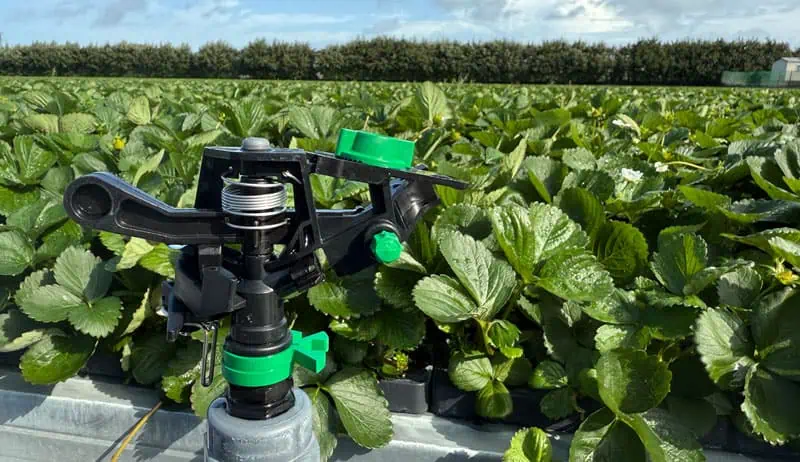
In the realm of modern agriculture and landscape management, irrigation systems play a pivotal role in ensuring optimal water distribution, sustainability, and crop health. The evolution of irrigation technology has been significant, moving from basic flood methods to sophisticated, automated systems. This progression not only enhances efficiency but also promotes resource conservation. Cutting-edge irrigation system design and installation are at the forefront of this technological wave, offering innovative solutions for diverse agricultural and landscaping needs.
Understanding the Fundamentals of Irrigation System Design
Designing an effective irrigation system involves a comprehensive understanding of several key factors that influence water distribution. Here are some critical aspects to consider:
- Soil Type and Composition: Different soil types have varying water retention capabilities. Understanding the soil profile is essential for determining the optimal irrigation method.
- Climate and Weather Patterns: Local climate conditions dictate the frequency and amount of water required. It’s crucial to integrate weather data into the design process.
- Crop or Plant Requirements: Each species has unique water needs, which should be considered to avoid overwatering or underwatering.
- Topography: The landscape’s slope and elevation can impact water flow and distribution, necessitating tailored solutions.
For a more in-depth exploration of these design elements, learn about our tailored solutions.
Innovative Technologies in Irrigation Systems
Advancements in technology have transformed irrigation systems, making them more efficient and environmentally friendly. Some of the latest innovations include:
Smart Irrigation Controllers
These devices allow for remote management and automation of irrigation schedules based on real-time data. They adjust watering schedules according to weather forecasts, soil moisture levels, and plant needs. Discover expert strategies here to implement these technologies effectively.
Drip Irrigation
Drip irrigation systems deliver water directly to the plant roots, minimizing evaporation and runoff. This method is particularly beneficial in arid regions and for water-sensitive crops. Find out more about this approach to maximize efficiency and conservation.
Precision Irrigation
Utilizing sensors and data analytics, precision irrigation targets specific areas that require water, reducing waste and promoting uniform growth. This technology is integral for large-scale operations that aim to enhance yield while conserving resources. Explore advanced guides and tips on precision irrigation techniques.
Installation Best Practices
A successful irrigation system installation is critical to ensure long-term functionality and efficiency. Key considerations include:
- Proper Planning and Layout: A detailed site assessment and layout plan are crucial to avoid future complications and ensure even water distribution.
- Quality Materials: Investing in durable, high-quality components reduces maintenance costs and extends system lifespan.
- Professional Installation: Expert installation ensures that all components are correctly integrated and that the system operates at peak efficiency from the outset.
For further guidance on installation techniques, learn about our tailored solutions.
Conclusion
The design and installation of cutting-edge irrigation systems are vital for maximizing agricultural productivity and enhancing landscape beauty. By embracing advanced technologies and adhering to best practices, stakeholders can achieve significant resource savings and ensure sustainable growth. For more insights and professional advice, explore advanced guides and tips tailored to specific needs and conditions.