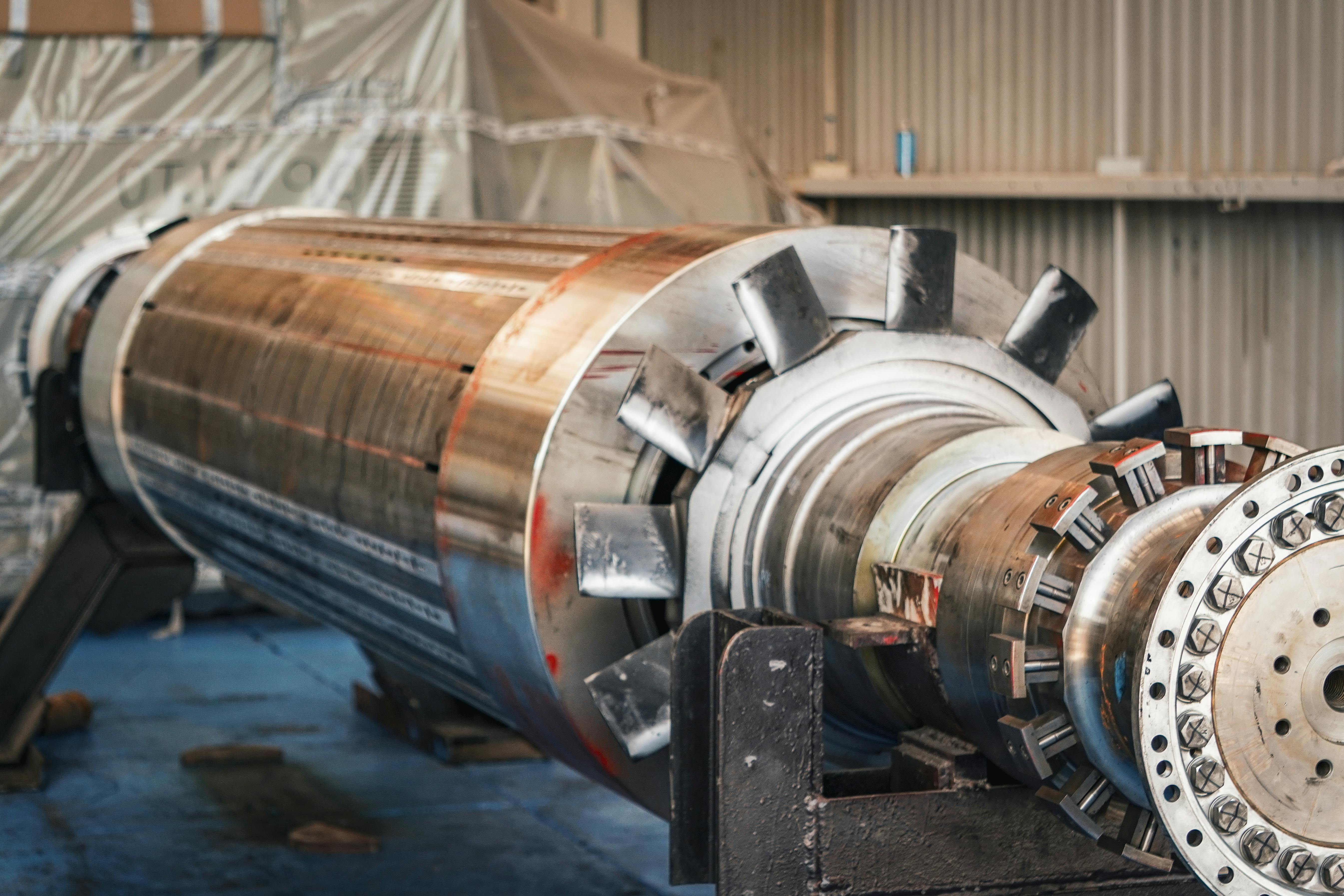
In the realm of construction and heavy equipment, the importance of well-maintained undercarriage parts cannot be overstated. These components are the backbone of machinery, ensuring smooth operation and longevity. Understanding the intricacies of undercarriage components is crucial for anyone involved in the maintenance or operation of heavy equipment. This guide aims to provide a comprehensive overview of the essential undercarriage parts, their functions, and tips for maintaining them effectively. For those seeking further insights into advanced maintenance techniques, explore advanced guides and tips.
Key Components of Heavy Equipment Undercarriages
Undercarriage parts are critical to the performance and durability of heavy equipment. Each component plays a specific role, and understanding these roles can enhance maintenance strategies and equipment lifespan.
Tracks
- Track Chains: These are the foundation of the undercarriage, providing the necessary traction and support.
- Track Shoes: Attach to the track chains and are available in various designs to suit different terrains and applications.
- Track Rollers: Support the weight of the equipment and help maintain the track’s alignment and tension.
Rollers and Idlers
- Bottom Rollers: These support the weight of the machine and help in guiding the track.
- Top Rollers: Assist in maintaining track tension and alignment by supporting the upper part of the tracks.
- Idlers: Aid in guiding the track and maintaining proper tension, crucial for preventing track derailment.
Sprockets
- Functionality: Engage with the track links to propel the machine forward or backward.
- Maintenance Tips: Regular inspection for wear and damage can prevent costly repairs.
For those looking to enhance their understanding of undercarriage components, discover expert strategies here.
Maintenance Tips for Longevity
Proper maintenance of undercarriage parts is essential to maximize the lifespan and efficiency of heavy machinery. The following tips can help maintain these components effectively:
- Regular Inspections: Conduct routine checks for wear and tear to ensure early detection of potential issues.
- Track Tension: Maintain optimal track tension to prevent excessive wear on the track and other components.
- Cleaning: Regularly clean the undercarriage to remove dirt and debris that can cause damage over time.
- Lubrication: Ensure all moving parts are adequately lubricated to reduce friction and wear.
Implementing these maintenance practices can significantly extend the service life of undercarriage components. For more tailored solutions, learn about our tailored solutions.
Signs of Wear and When to Replace
Recognizing signs of wear early can prevent costly repairs and downtime. Key indicators of wear include:
- Uneven Wear: Can be caused by improper track tension or alignment.
- Excessive Noise: Often indicates that components are not functioning smoothly.
- Visible Damage: Cracks, bending, or other visible damage to components.
- Performance Issues: Decreased efficiency or unusual movement patterns.
If any of these signs are present, it may be time to consider replacing the affected parts. For more on this approach, find out more about this approach.