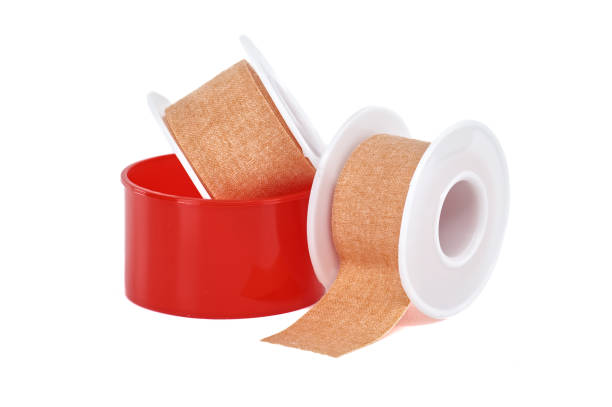
Proper wound care is essential in promoting healing and preventing infections. A critical component of effective wound care is the application of medical tapes. These tapes are designed to secure dressings, support injuries, and ensure that wounds stay clean and protected. Understanding how to apply medical tape properly can enhance wound care outcomes and improve patient comfort.
Choosing the Right Type of Medical Tape
When selecting a surgical tape, it’s important to consider the specific needs of the wound and the patient’s skin type. Different tapes offer varying levels of adhesion and breathability:
- Adhesive tape for skin: Ideal for sensitive skin, providing gentle adhesion without causing irritation.
- Wound dressing tape: Offers strong adhesion for secure dressing placement, suitable for active areas like joints.
- Paper tape: Hypoallergenic and breathable, perfect for fragile or elderly skin.
- Cloth tape: Durable and flexible, often used for larger dressings that need extra support.
Preparing the Skin and Wound
Before applying medical tape for wounds, proper skin preparation is crucial:
- Clean the wound thoroughly with mild soap and water or saline solution to remove debris and bacteria.
- Dry the skin completely to ensure optimal adhesion of the tape.
- Trim any excess hair around the wound area to prevent pain during tape removal.
Application Techniques
Applying surgical medical tape correctly involves several key steps:
- Cut the tape to the desired length before beginning the application to avoid contamination.
- Apply the tape gently, pressing it down smoothly and evenly to prevent wrinkles and air pockets.
- Ensure the tape covers the entire edge of the dressing to secure it effectively.
Tips for Effective Use
To maximize the effectiveness of wound care tape, consider these tips:
- Choose a surgical tape for wounds that matches the size and location of the wound.
- Ensure the tape is not applied too tightly, as this may restrict blood flow.
- Change the tape regularly to maintain hygiene and prevent skin irritation.
Removing Medical Tape Safely
Removing wound dressing tape can be challenging if not done correctly. Follow these steps for safe removal:
- Loosen the tape edges gently, starting from one corner.
- Pull the tape back slowly, keeping it parallel to the skin to minimize trauma.
- If the tape is stubborn, use a few drops of warm water or adhesive remover to ease the process.
Conclusion
The proper application of surgical medical tape is an essential skill for effective wound care. By choosing the right type of tape, preparing the skin correctly, and employing precise application techniques, one can enhance the healing process and ensure comfort. Regularly updating knowledge on the latest advancements in surgical tape technology can further improve wound care outcomes.