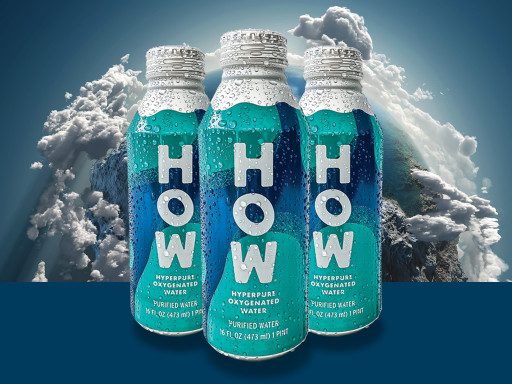
Water is an essential component of life, making up about 60% of the human body. It plays a crucial role in maintaining health and wellness. However, not all water is created equal. The debate between purified water and tap water has been ongoing, with each having its own set of benefits and considerations. Understanding the differences can aid in making informed decisions about which type of water to consume.
Understanding Purified Water
Purified water undergoes a filtration process to remove impurities and contaminants. This process may include distillation, deionization, or reverse osmosis. The aim is to ensure the water is free from harmful elements that could affect health.
Benefits of Purified Water
- Free from contaminants such as lead, mercury, and other pollutants.
- Improved taste and odor, making it more palatable.
- Potentially beneficial for individuals with compromised immune systems, as it reduces the risk of waterborne illnesses.
For those interested in the benefits of purified water, it is a viable option that offers peace of mind regarding water safety and quality.
Understanding Tap Water
Tap water is sourced from municipal water systems and is typically treated to meet safety standards set by regulatory bodies. It is readily available and cost-effective, making it a common choice for everyday consumption.
Benefits of Tap Water
- Contains essential minerals like calcium and magnesium that are beneficial to health.
- Cost-effective and easily accessible, reducing the need for bottled water.
- Regulated by government agencies to ensure safety and quality.
Despite its benefits, tap water quality can vary based on geographic location and the condition of local water infrastructure. This variability underscores the importance of periodic testing and treatment as necessary.
Comparative Analysis: Purified Water vs. Tap Water
Both purified water and tap water have their merits, but their differences lie in safety, taste, and cost:
- Safety: Purified water is often considered safer due to its rigorous filtration process, whereas tap water safety depends largely on local water treatment facilities and infrastructure.
- Taste: Purified water typically offers a cleaner taste due to the removal of chlorine and other chemicals commonly present in tap water.
- Cost: Tap water is generally more cost-effective, though the price of purified water can be justified by its enhanced quality and safety for those who prioritize these aspects.
Making the Right Choice
Choosing between purified water and tap water ultimately depends on individual needs and preferences. Those concerned about potential contaminants might lean towards purified water, while others might opt for tap water for its mineral content and affordability.
For individuals seeking a balance, using a home water filtration system could offer the best of both worlds by providing the safety of purified water while maintaining the cost benefits of tap water.
In conclusion, both purified water and tap water offer unique advantages. Understanding these differences can guide choices that align with personal health goals and preferences. Whichever option is chosen, ensuring a consistent intake of clean, safe water is paramount for maintaining optimal health.