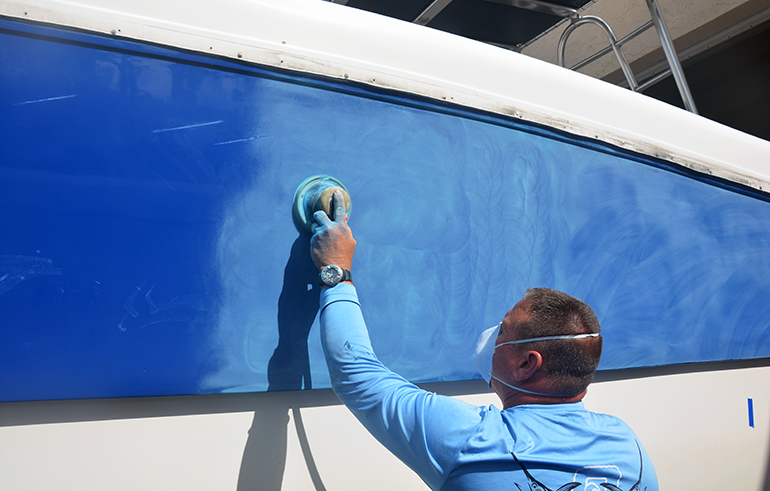
Painting a fiberglass boat is an essential maintenance task that not only enhances its aesthetic appeal but also protects it from environmental elements. Whether restoring an old vessel or maintaining a new one, understanding the nuances of fiberglass boat painting is crucial for any boat owner. This guide aims to provide comprehensive insights into the process, ensuring your boat remains in top condition for many years to come.
Understanding Fiberglass Boat Painting
Painting a fiberglass boat is different from painting other surfaces due to the unique properties of fiberglass. Fiberglass is a composite material made from fine fibers of glass woven together, and it requires specific preparation and materials for painting. The goal is not just to apply color but also to create a durable coat that withstands water, sun, and general wear and tear.
Preparation Steps
Proper preparation is key to a successful paint job. Follow these steps to ensure the surface is ready for painting:
- Cleaning: Thoroughly clean the boat’s surface with a marine-grade cleaner to remove dirt, grease, and grime.
- Sanding: Sand the surface with fine-grit sandpaper to smooth out imperfections and create a surface that paint can adhere to.
- Repair: Inspect the fiberglass for any cracks or damage and repair using epoxy resin or fiberglass repair kits.
- Priming: Apply a suitable primer that is compatible with the type of paint being used. This step ensures better adhesion and longevity of the paint.
Choosing the Right Paint
Selecting the right paint is critical for achieving the desired finish and durability. Consider the following options:
- Two-Part Polyurethane Paint: Known for its durability and high-gloss finish, this type of paint is resistant to chemicals and abrasion.
- Single-Part Enamel Paint: Easier to apply, this paint is a cost-effective solution but may not last as long as two-part options.
- Gel Coat Paint: Typically used for larger areas, gel coat provides a thick, protective layer that is ideal for the hull.
For more detailed information on fiberglass boat painting, consider exploring professional resources that discuss the different types of paint and their applications.
Application Techniques
Applying the paint correctly is as important as selecting the right type. Here are some tips for a flawless finish:
- Weather Conditions: Choose a day with mild temperatures and low humidity to ensure the paint cures properly.
- Tools: Use high-quality brushes or rollers designed for marine use to avoid streaks and bubbles.
- Multiple Coats: Apply multiple thin coats rather than one thick coat, allowing adequate drying time between each layer.
- Finishing Touches: Once the final coat has dried, consider applying a clear coat for added protection and shine.
Maintenance Tips
Regular maintenance will extend the life of your paint job. Keep these tips in mind:
- Regular Cleaning: Wash the boat after each use to remove salt, algae, and other contaminants.
- Waxing: Apply a marine wax periodically to protect the paint and enhance its shine.
- Inspection: Regularly inspect the paint for chips or cracks and address any issues immediately to prevent further damage.
Conclusion
Painting a fiberglass boat is a rewarding task that not only improves the vessel’s appearance but also extends its life. By following the outlined steps and utilizing quality materials, boat owners can ensure a professional finish that stands the test of time. For additional guidance on fiberglass boat painting, consult expert resources or consider professional services for optimal results.